
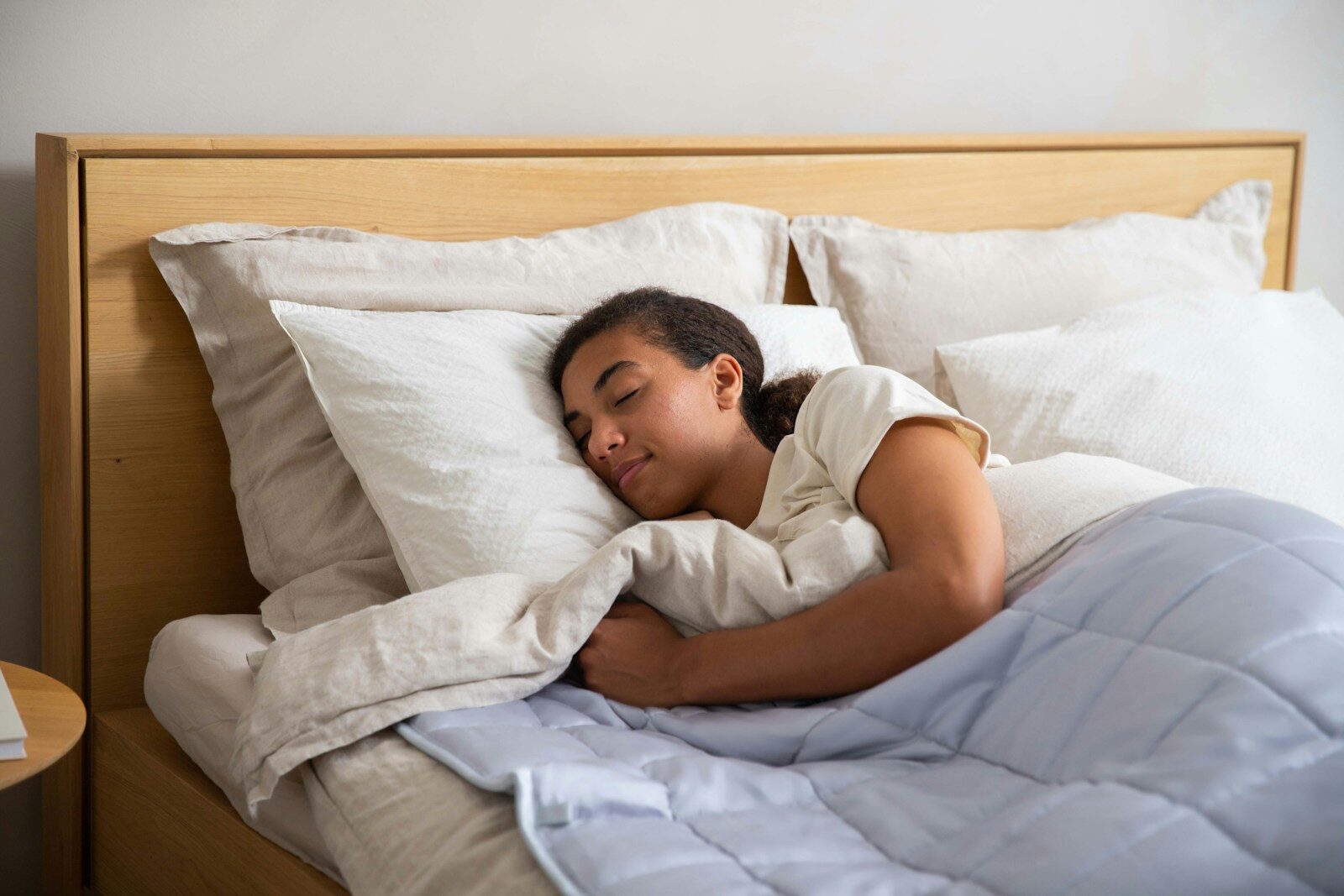
Do you find yourself thinking, “I can’t sleep without weed?” What’s that about? Some people believe that weed helps them sleep. But others may find themselves struggling with insomnia after quitting weed—even if weed helped them sleep in the first place. If you’re frustrated by a lack of sleep lately and wondering why it feels like marijuana is the only thing that can get you to bed, we have some answers for you.
Using Cannabis for Sleep
Cannabis is widely used as a sleep aid recreationally and medicinally, according to the Sleep Foundation. With that said, research into marijuana’s use as a sleep aid is still in development. Some believe it can relieve insomnia when used occasionally due to cannabis’ perceived abilities to release neurotransmitters that promote sleep and reduce your brain’s arousal system.
However, using cannabis for sleep comes at a cost. If you use cannabis regularly as a sleep aid, you may start thinking you can’t sleep without weed. Long-term use of cannabis can ultimately make your sleep worse as well, leading to:
- Less sleep overall
- Less time spent in deep sleep
- Longer time to fall asleep
- Frequent awakenings
Regular, long-term weed use can also produce other harmful side effects that ultimately impact your sleep, such as reduced gray matter in your brain, increased risk for chronic bronchitis, and cannabis addiction.
I Can’t Sleep Without Weed: Addiction and Withdrawal
A harsh reality of smoking weed is the fact that it isn’t a harmless drug meant to help you relax. It’s a drug that can actually cause dependence and addiction over time. In fact, the prevalence of high THC weed in marijuana sales today makes the potential for addiction even greater.
Regular, heavy marijuana use in your daily life—so much that you think you can’t sleep without weed—can lead to eventual dependence and addiction. According to Yale Medicine, about 10% of people who begin smoking cannabis will become addicted to weed. And about 30% of current marijuana users meet the criteria for addiction as well.
When you use weed regularly, your brain develops a tolerance for the drug. Behind the scenes, it’s gotten used to the steady supply of dopamine (your brain’s pleasure chemical) that cannabis provides. Consequently, smoking weed as you have been doesn’t generate as much of a high as it once did. That means you need to smoke even more weed at greater frequencies to get that same pleasurable feeling. Eventually, however, your brain develops a chemical dependency on weed, leading to marijuana addiction.
With cannabis use disorder, you often experience withdrawal symptoms (called cannabis withdrawal syndrome) when you stop using weed. Withdrawal occurs because your body has gotten used to the presence of THC. When you cut back or stop using marijuana, your body has to adjust to the absence of THC, generating withdrawal symptoms such as:
- Anger
- Irritability
- Aggression
- Anxiety
- Nervousness
- Restlessness
- Decreased appetite (which may cause weight loss)
- Depressed mood
- Insomnia
- Disturbing dreams and nightmares
- Headaches
- Nausea and vomiting
- Excessive sweating
- Abdominal pain
- Tremors
SOURCE: Cleveland Clinic
Why You Can’t Sleep After Quitting Weed
Experiencing weed withdrawal can certainly leave you thinking you can’t sleep after quitting weed. According to VerywellMind.com, about 47% of former weed smokers report sleep disruption issues during marijuana withdrawal. When you get insomnia after quitting weed, your sleep struggles can last for a few days or a couple of weeks. However, some can deal with bouts of occasional insomnia for a few months after quitting weed.
When you’re in the middle of feeling like you can’t sleep without weed, it can be a frustrating experience. You’re trying to quit, after all. Behind the scenes, your body is relearning how to function without weed, which disrupts your sleep. Weed often worked as a stress and anxiety reliever for your body up to this point. Without weed, you may experience an uptick in anxiety or stress, affecting your sleep in response.
There’s also an adjustment to your wind-down routine each night. If you regularly used marijuana to go to sleep, your body no doubt got used to it as a signal that it was time to go to bed. Without marijuana, your body needs to adjust, leading to increased time needed to fall asleep, as well as poorer sleep quality in the interim.
How to Sleep Without Weed
If you’re in the thick of insomnia after quitting weed, it’s important to remember that sleep problems in early recovery happen. This is only a temporary phase. You don’t have to return to weed in order to sleep well again. Your body will eventually adjust to sleeping regularly without substances. In the meantime, here are a few helpful steps you can take to learn how to sleep without weed:
- Temporarily use a non-habit-forming sleep medication, such as melatonin
- Reduce evening screen time
- Develop a calming nighttime routine (take a warm bath, read, etc.)
- Wake up and go to bed at the same times each day
- Pursue self-care activities like exercise and healthy eating
Overcome Marijuana Addiction at Sana at Stowe
If you can’t sleep without weed, that may be an indicator of a deeper marijuana addiction struggle. That’s where we come in at Sana at Stowe in Stowe, Vermont. Our holistic marijauna addiction treatment program heals your struggles at the source, empowering you to reclaim your life without depending on cannabis to function. To learn more, call our team today.