
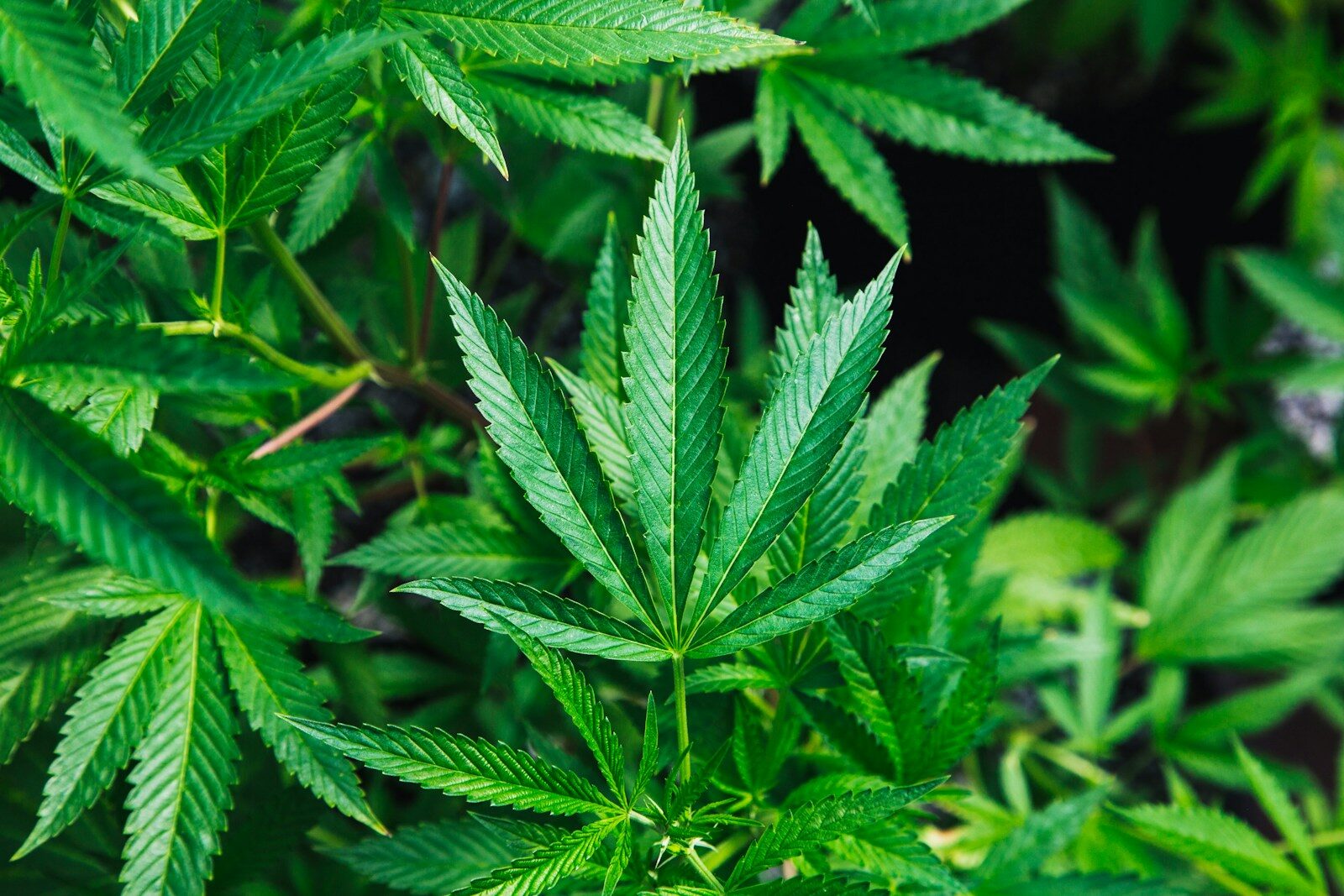
Do you smoke weed? As it’s becoming more popular (and legal) across the United States, you need to reckon with the reality that cannabis addiction exists. It’s not just a medicinal, mild drug meant to get you high or feeling good. Though using cannabis doesn’t guarantee you’ll get addicted, your abuse of it can certainly put you on that path.
What is Cannabis?
According to the National Institute on Drug Abuse (NIDA), cannabis refers to the dried flowers, leaves, seeds, and stems of the cannabis plant. As a recreational drug, cannabis is also known as marijuana, pot, grass, weed, dope, reefer, and ganja. Cannabis’ chemical compound THC often gets utilized in a variety of products. Other cannabis compounds like delta 8 are used for recreational purposes as well (see Delta 8 Dangers).
As a mind-altering, psychoactive drug, cannabis is commonly smoked as a cigarette (referred to as a joint) or blunt, as well as via pipe, bong, or weed pen. It can also be consumed via edibles (such as in brownies) or as a liquid. Sadly, all of these methods of use can lead to cannabis abuse and cannabis addiction.
When you smoke cannabis, the psychoactive properties of the drug impact areas of your brain responsible for memory, thought, pleasure, concentration, sensory time perception, and coordinated movement. As a result, you may experience the following effects:
- Problems with memory and learning
- Distorted perception
- Loss of coordination
- Difficulty thinking and problem-solving
- Relaxation
- Disinhibition and increased sociability
- Merriment
- Impaired judgment
- Increased appetite
- Enhanced sensory perception and imagination
SOURCE: Drug Enforcement Administration (DEA)
The Rise of Marijuana in the US
Cannabis still remains the most commonly used federally illegal drug in the US, despite the potential for cannabis addiction. According to the US Centers for Disease Control and Prevention (CDC), 52.5 million people used cannabis at least once in 2021, for example.
Yet in recent years, marijuana laws have changed rapidly across the United States. As of 2026, 24 states, two territories, and the District of Columbia have legalized small amounts of the drug for adult recreational use, shares the National Conference of State Legislatures (NCSL). A handful of states have also decriminalized cannabis use.
These developments have contributed to cannabis’ growing consumption. Usage of marijuana and hallucinogens among young adults (ages 19 to 30) and adults (ages 35 to 50) have increased significantly in the past five years, shares NIDA. Cannabis use has even reached a new high (no pun intended) among older adults, reports New York University.
The Reality of Cannabis Addiction
Is cannabis addictive? As more people have used the growingly legal drug, the reality of cannabis addiction has come into greater focus. Contrary to popular belief, people can become addicted to cannabis, explains the Government of Canada. But how, exactly?
Cannabis addiction arises from continued, frequent, and heavy usage of weed. In just a few doses of the drug, your brain and body develop a tolerance for cannabis. That means the high you used to get is no longer as potent, so you need to smoke more cannabis to get the same effects. Higher frequencies in greater doses in time can lead to physical dependency and addiction as your brain gets used to the steady supply of cannabis. You soon need to keep up with your weed to function.
Consequently, it’s estimated that 1 in 3 who use cannabis will eventually deal with cannabis abuse. And 3 in 10 will develop cannabis addiction, shares the CDC. Young people are especially vulnerable to becoming addicted to cannabis, as their brains are still developing. And the rise of high-potency weed (cannabis with higher concentrations of THC), has increased the risk of cannabis addiction four-fold, shares CNN.
Signs of Cannabis Addiction
If you use cannabis regularly, how can you know if you’re addicted? If you’re starting to notice your marijuana usage interfering with your daily life, that’s typically a red flag for addiction. But what does this actually look like? Some common signs of cannabis addiction include:
- Using more cannabis than intended
- Spending a lot of time using cannabis
- Experiencing cannabis cravings
- Trying but failing to quit cannabis
- Continued use of cannabis despite problems at school, home, or work
- Skipping out on important activities with friends and family to use cannabis
- Needing more cannabis to achieve the same high
- Using cannabis in risky situations, such as while driving
- Continued use of cannabis despite physical, social, or psychological consequences
SOURCE: CDC
Marijuana Addiction Treatment in New England
As you’re reading this, you may realize you’re struggling with cannabis abuse or addiction. If you have an addiction, it’s important to know that you can’t quit cannabis on your own. Because of your physical dependency, you need to partner with professional help at a marijuana rehab facility.
At Sana at Stowe in Stowe, Vermont, we provide holistic, evidence-based marijuana addiction treatment that can help you overcome cannabis for good. With our help, you can reclaim your life and be empowered to stay healthy (and substance-free) long-term. Call us today to learn more.