
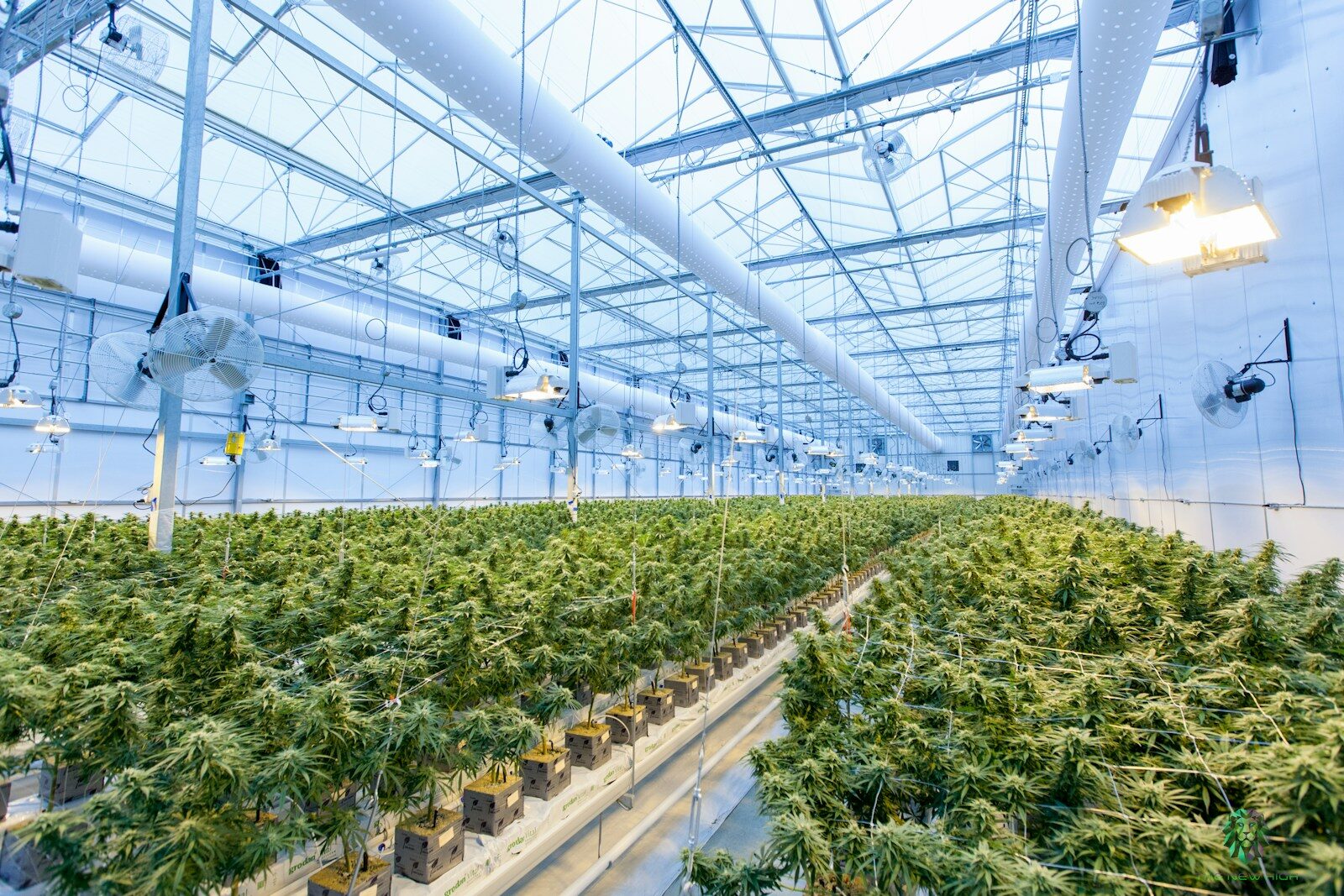
Do you believe marijuana is too strong now? As marijuana has gained legal status in numerous states, high THC weed has come onto the scene. In fact, marijuana’s potency has grown substantially over the years, so it’s not your grandfather’s cannabis of yesteryear. As more and more people use these high potency cannabis strains, greater health risks are coming to light—including severe side effects, mental health struggles, and cannabis addiction.
High THC Weed: A Different Kind of Cannabis
According to Yale School of Medicine, the THC content of cannabis—the plant’s main psychoactive chemical—has changed substantially over the last several decades. In 1995, for example, cannabis seized by the Drug Enforcement Administration (DEA) had an average 4% of THC. Fast forward to 2017, and the average increased to 17% and is still rising today. Other cannabis products on the market now, such as dabs, oils, and edibles, can have as high as 90% THC content.
Today, when you walk into any dispensary across the US, you’ll have a tough time finding any product that touts a low THC level, according to The Atlantic. You’ll find several, however, that claim cannabis strains of 20 to 30% THC.
As high potency weed becomes more mainstream, it poses a serious reality check. Much of the high THC weed today is not the same as what people smoked in the 1990s and 2000s. The milder highs from decades prior that led many to advocate for marijuana’s legality as a less harmless, less dangerous alternative to alcohol are harder to come by today.
Consequently, modern weed today caters to regular consumers who crave more potent highs. They purchase and consume a majority of the marijuana on the market, after all. On top of this, marijuana is still considered a federally illegal drug, so legal marijuana and marijuana products sold today don’t have the same federal safety, dosage, and labeling standards as alcohol, pharmaceuticals, and food. All of these factors combine to make these high THC weed offerings more dangerous, and consumers are dealing with the ramifications in the fallout.
The Negative Effects of High Potency Weed
With the absence of federal regulations or clear guidelines, the cannabis industry has continued to develop strains of marijuana with much higher concentrations of THC. This higher weed potency not only increases your chances of continuing to purchase and use their products, it also strengthens the possibility of addiction (more on that later).
According to the Journal of the Missouri State Medical Association, high THC weed poses a greater threat for substance abuse, especially among young people. Studies have shown that marijuana is the number one drug abused by high school students. In Colorado, for example, marijuana use in teenagers and young adults aged 18-25 has steadily climbed as well.
Compelling data also shows that cannabis may be associated with brain structure changes among young people, too. According to Yale School of Medicine, the prefrontal cortex, which is responsible for decision-making and executive function, is especially vulnerable. Recent years have even demonstrated increased reports of people (especially young people) experiencing marijuana-induced psychosis. These psychotic episodes have led to hospitalizations due to chronic vomiting or even auditory hallucinations of talking to birds, shares The Atlantic.
Other research suggests that heavy, early cannabis use can increase your risk of developing mental health disorders, including:
- Schizophrenia
- Bipolar disorder
- Anxiety
- Depression
Today’s high potency weed can also cause chronic impairments to memory, motivation, and attention. Studies have even found a connection between cannabis use and negative cardiovascular effects, including higher risk of heart attacks.
Addiction and High THC Weed
With higher concentrations of THC in weed today, the risk for marijuana addiction only gets higher as well. Using high THC weed regularly can increase your dependence on cannabis, as well as produce more severe withdrawal symptoms when you stop, shares the Washington State Department of Health. High potency weed withdrawal symptoms can include:
- Anger
- Irritability
- Depression
- Restlessness
- Headaches
- Loss of appetite
- Insomnia
- Severe cravings for marijuana
The withdrawal symptoms above make it extremely difficult to quit high THC weed when you’ve developed a dependence on the drug. Consequently, using high potency cannabis strains has been linked to a four-fold risk of addiction, shares CNN. And when you’re addicted to weed, your brain and body have developed a chemical dependency on the dopamine the drug regularly provides. It’s no longer a drug you use recreationally to relax. You need high weed potency regularly to function.
Marijuana Addiction Treatment in New England
When you have a marijuana addiction, getting sober isn’t about willpower or achieving better self-discipline. You need to heal physically, mentally, and emotionally in order to achieve lasting recovery, and that’s not something you can do alone. That’s why partnering with a rehab center for marijuana addiction is critical to breaking free from weed’s grip.
At Sana at Stowe in Stowe, Vermont, our marijuana addiction treatment program combines both holistic and evidence-based treatment to address the root causes of your struggles. With our help, you can learn to reclaim your life and achieve long-term sobriety. To get started, call us today.