
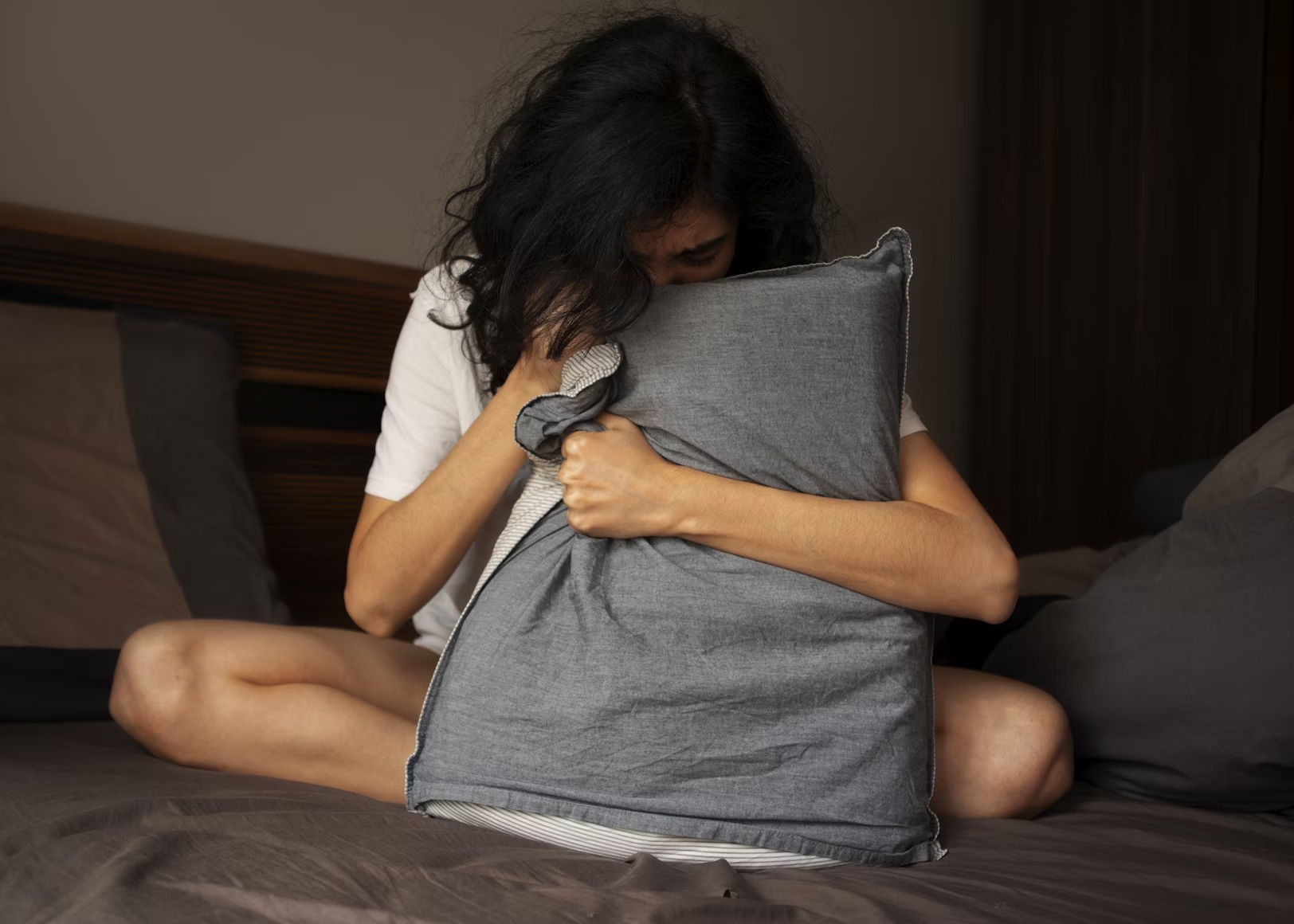
For many people, sleep problems in early recovery can be one of the most unexpected and frustrating challenges. After quitting drugs or alcohol, it’s common to assume that the hardest part – detox, is behind you. But as the body and brain begin to heal, the absence of substances that once masked or disrupted natural sleep patterns can lead to nights spent wide awake.
At Sana at Stowe, we understand how vital quality sleep is to long-term recovery. Insomnia in early sobriety isn’t just uncomfortable; it can also become a relapse trigger if left unaddressed. That’s why our medically supervised detox and residential care programs in Vermont integrate sleep restoration into every phase of treatment. Healing sleep is not a luxury, it’s a core component of sustainable recovery.
Why Sleep Is Disrupted in Early Sobriety
Sleep disturbances in withdrawal and early recovery are common across nearly every substance category. Whether you’re dealing with alcohol, opioids, benzodiazepines, or stimulants, the body must recalibrate after months or years of chemical interference. This process can wreak havoc on the circadian rhythm and impair the production of neurotransmitters like melatonin, GABA, and serotonin.
During detox, it’s typical to experience a range of symptoms such as trouble falling asleep, frequent waking, or early morning alertness. This isn’t just annoying, it’s a biological process. Alcohol, for example, suppresses REM sleep and reduces overall sleep quality. Once it’s removed, the brain may go through a rebound phase where REM sleep returns erratically, leading to vivid dreams and restlessness, while recovering from the combination of alcohol and sleep problems. Learn more about the stages of alcohol detoxification and how they impact sleep.
How Long Do Sleep Problems Last After Quitting?
Recovery sleep timelines vary from person to person. Insomnia after quitting drugs or alcohol may persist for a few weeks to several months, depending on substance history, age, co-occurring mental health conditions, and overall wellness.
Sleep disorders in recovery often follow a predictable pattern: acute withdrawal disrupts sleep, followed by a stabilization phase in early sobriety, and then gradual improvement. For some, especially those with co-occurring conditions like anxiety or depression, insomnia can become chronic unless addressed directly. Wondering how long is rehab? Most programs include time for the body to begin stabilizing, but extended care or follow-up support may be necessary for persistent sleep issues.
The Vicious Cycle of Sleep and Sobriety
Poor sleep in recovery is more than just uncomfortable. It can raise the risk of relapse by increasing irritability, anxiety, and emotional reactivity. On the flip side, using substances to self-medicate sleep issues creates a dangerous pattern that can quickly undo progress.
Clients at Sana are supported through this delicate phase with trauma-informed, evidence-based care that focuses on both mental health and physical healing. Explore our depression and addiction treatment program for individuals with co-occurring challenges that often impact sleep.
Substance-Specific Sleep Disruptions
- Alcohol: Rebound REM sleep, early waking, vivid dreams
- Opioids: Disrupted circadian rhythm, reduced REM
- Benzodiazepines: REM suppression, long-term withdrawal insomnia
- Stimulants: Difficulty falling asleep, fragmented sleep cycles
Each substance has a different effect on the sleep architecture, and understanding these distinctions helps us tailor our Detox and withdrawal management services more precisely.
Fixing Sleep in Sobriety: What Works
Addressing insomnia in early sobriety requires a comprehensive, multi-pronged approach that blends clinical care, behavioral changes, and lifestyle adjustments.
Sleep Hygiene in Recovery
Good sleep hygiene is foundational. This includes:
- A consistent bedtime and wake-up time
- A cool, dark, quiet sleep environment
- Avoiding caffeine and screens late in the evening
- Limiting naps, especially in the afternoon
What to expect from drug detox? We emphasize sleep hygiene as part of a structured daily routine that supports recovery at our holistic residential treatment centers.
Natural Remedies and Lifestyle Interventions
Non-medication strategies are often effective for improving sleep after addiction:
- Melatonin and magnesium supplements
- Herbal teas like chamomile or valerian
- Mindful movement like yoga or stretching in the evening
- Nutrition that supports neurotransmitter balance
- Timed exercise—earlier in the day to promote better sleep at night
Therapeutic Approaches
Behavioral therapies are highly effective, especially:
- CBT-I (Cognitive Behavioral Therapy for Insomnia)
- Sleep restriction therapy
- Guided meditation and relaxation training
These are integrated into the holistic treatment plan at Sana to help rewire the mind and body for restful sleep.
When to Seek Medical Support
In some cases, sleep problems in early recovery may signal a more serious sleep disorder or an underlying mental health issue. If sleep problems persist beyond 30 to 60 days or begin to severely impact functioning, it’s time to seek professional help.
Peer support and clinical guidance can make a powerful difference. Our team includes licensed professionals who understand the nuanced relationship between addiction and anxiety, trauma, and sleep disturbance.
When appropriate, we may explore limited use of non-addictive sleep aids as part of a medically supervised plan. Our clients also complete tools like the alcohol screening test and addiction treatment guide to help build the right care path.
Understanding the Role of Mental Health in Sleep Disruption
Sleep challenges are often part of a larger mental health puzzle. Many individuals used substances to cope with pre-existing sleep disorders, PTSD, or anxiety. Understanding that addiction and anxiety are often intertwined is key to healing. In some cases, long-standing insomnia may have driven substance use in the first place.
This is why we take a dual diagnosis approach. Recovery must address sleep, mental health, and addiction together. When these systems are treated in silos, progress in one area often stalls due to untreated issues in another.
Why Vermont Is the Perfect Place to Heal
Sleep is deeply tied to the environment. At our facility in Stowe, Vermont, the natural setting itself promotes rest. Clean mountain air, quiet nights, and a deeply calming landscape help reset circadian rhythms and support better sleep. We’re a short trip from the Burlington, Vermont airport, making Sana an accessible wellness destination for those seeking restorative care.
Support for Every Phase of Sleep and Sobriety
Whether you’re just beginning detox, dealing with sleep disturbances during withdrawal, or struggling with insomnia after quitting drugs, know that you’re not alone.
We specialize in helping clients improve sleep in addiction recovery using a personalized, holistic, and medically informed model. With the right support, restorative sleep is not only possible, it becomes one of the most rewarding signs of healing.
Sana at Stowe offers medically supervised detox and accepts insurance through in-network providers. Reach out today to learn more or speak with our admissions team at (866)-575-9958. We’re here to help you rest, recover, and renew.