
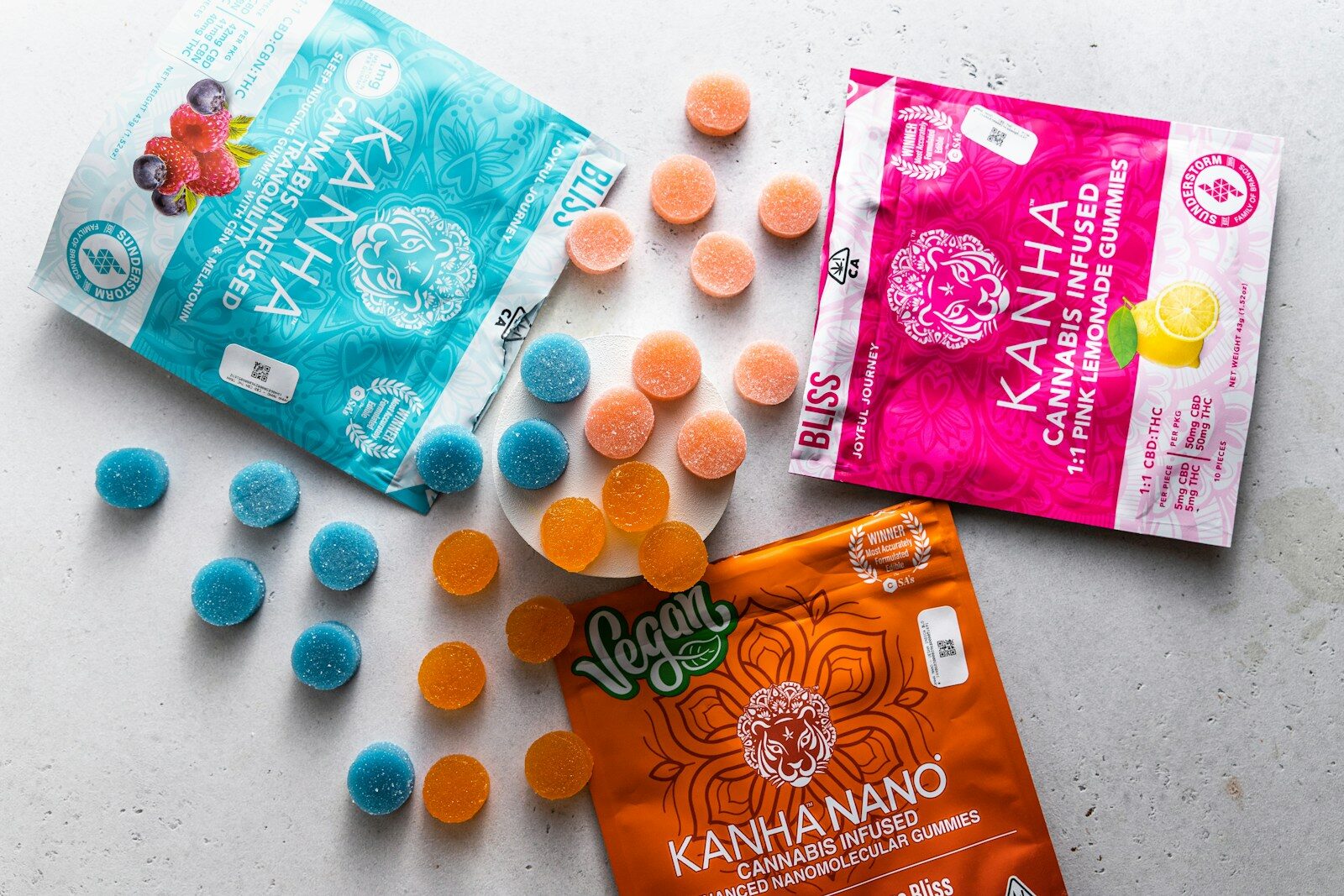
“It’s just THC gummies. They’re harmless, right?” It’s easy to think that when you’re eating what looks, feels, and tastes like candy. But consuming brownies, candy, or even beverages infused with marijuana is anything but harmless. While these marijuana edibles gain popularity all over the US, many people don’t realize that consuming edibles can lead to negative outcomes no one wants to sign up for. Are edibles addictive? Are they dangerous? Let’s find out.
Understanding Marijuana Edibles
Perhaps you’ve discovered your loved one using marijuana edibles recently. But what exactly are these edibles? According to JustThinkTwice.org, marijuana edibles are any food products infused with marijuana (or marijuana extract). While brownies are among the most common edibles out there, just about any food can be infused with marijuana and eaten. Typical edibles found on the market today include:
- Cookies
- Brownies
- Candies (gummies, suckers, and chocolate)
- Beverages
- Popcorn
SOURCE: Public Health Institute at Denver Health
While smoking still remains the most popular way to use marijuana, consuming edibles is very much on the rise. According to Research and Markets, the global market for cannabis edibles was estimated at nearly $15 billion in 2024. By 2030, it’s projected to reach almost $49 billion.
The appeal of edibles stems from a number of areas. Some prefer edibles because they’re more discreet and smoke-free. Others choose edibles due to their ease of use and perceived dosage control. Regardless, as marijuana gets legalized in more states across the US, edibles easily become more accepted both recreationally and medicinally.
Different From Smoking Marijuana
Like food and drink, edibles are consumed either by eating or drinking them. Compared to smoking or vaping marijuana, consuming it via edibles causes a different user experience. The intoxicating effects of marijuana can take longer to “kick in,” sometimes taking 30 minutes to two hours. Consequently, the effects of marijuana edibles can also last longer, up to 12 hours after last use (with residual effects even lasting 24 hours).
The effects of marijuana in edibles can also be more intense compared to smoking it. This is partly due to your liver turning THC into a stronger form via ingestion, shares the Canadian Centre on Substance Use and Addiction. All of these factors unique to edibles can generate further complications as you use them. But can you get addicted to edibles?
Are Edibles Addictive? Yes, Actually
Are edibles addictive? Are THC gummies addictive? While eating gummies or cookies may seem innocuous in the moment, you can become addicted to edibles over time. Many edibles contain the cannabis compound tetrahydrocannabinol (THC), which is mainly responsible for marijuana’s psychoactive effects. While THC may generate a high when used, it’s also connected to cannabis use disorder (CUD), or marijuana addiction.
When you use edibles, the feel-good effects you experience are due to dopamine that marijuana generates in your brain. As the brain’s pleasure chemical, dopamine signals to your brain that consuming edibles is pleasurable, memorable, and rewarding—so you want to keep doing it.
Continuing to regularly consume edibles over time, however, can lead your brain to develop a tolerance to the dopamine rush. That means the high and good feelings you once had don’t come as often. In response, you may up your dosage and frequency of use to replicate that same high from edibles. Though you have that pleasurable high you wanted again, it comes with a cost. This increased consumption of cannabis can lead your brain and body to develop a chemical dependency on the dopamine the drug provides.
When you’re chemically dependent on this steady supply of edible-induced dopamine, you have a cannabis addiction. You’re addicted to edibles and continue to use them despite any negative consequences. Whether it’s brownies, THC gummies, or some other weed-laced food, your brain and body believe marijuana is necessary to your survival. You need to keep consuming edibles or other forms of weed in order to function on a daily basis.
In summary:
Are edibles addictive? Yes.
Are THC gummies addictive? Yes.
Is any food or drink infused with marijuana addictive? Yes.
Signs That You’re Addicted to Edibles
If you’re consuming edibles, you’re at risk for the possibility of dependence and addiction. At Sana at Stowe, we’ve helped countless individuals navigate and overcome marijuana addiction through cannabis addiction rehab. If you’re concerned about a loved one (or yourself), there are specific signs and symptoms that can indicate you may be addicted to edibles, including:
- Taking edibles in larger amounts and for a longer period of time than intended
- The inability to stop taking edibles
- Having cravings and strong desires to take edibles
- Spending a lot of time obtaining or using edibles, or recovering from their effects
- Neglecting school, work, or personal responsibilities to use edibles
- Prioritizing edibles over favorite activities, social obligations, or family time
- Continuing to use edibles despite negative consequences or relational issues
- Needing to use more edibles to get the same high
- Hallucinations and delusions
- Social isolation and withdrawing from friends and family
- Sudden mood and behavior changes
- Addiction denial when confronted about edibles use
- Neglecting physical appearance or hygiene
- Secretive behavior to hide edibles use
- Confusion and memory issues
SOURCE: Cleveland Clinic
Edibles are Addictive: Other Risks and Dangerous Effects
Are edibles addictive? Yes, but substance abuse isn’t the only risk associated with using edibles. There are a number of harmful side effects and potential negative outcomes that can impact not only the user, but others as well, including:
- Unknown ingredients and potency: Cannabis is still a federally illegal drug in the United States. That means that marijuana edibles don’t receive the same proper federal regulations as other food products. Consequently, there’s no way to know what you’re consuming when using edibles. Using edibles may expose you to unknown harmful ingredients or greater THC potency than anticipated.
- Overdose: Compared to marijuana, there is a high potential for overdose when consuming edibles. Because edibles take longer to “kick in,” it’s easier to consume more than you should, thinking they’re not working. Edibles can also have high THC weed, increasing their overdose potential when consumed. In fact, cannabis edible poisoning (overdose) is trending across the US, shares America’s Poison Centers.
- Mental health complications: Long-term cannabis use can negatively impact developing brains. It’s also tied to increased risk of psychiatric disorders such as schizophrenia, according to Northwestern University.
- Dangerous side effects: Negative side effects tied to edibles include racing heart, anxiety, paranoia, hallucinations, and delusions. An Annals of Internal Medicine study even found that ER visits due to edibles were 33 times higher than expected at a Colorado hospital, for example.
- Accidental ingestion: Because edibles are designed to look like candy, brownies, chocolate, etc., there’s an increased likelihood that toddlers, kids, pets, and even adults can accidentally ingest them (which can lead to overdose).
Marijuana Addiction Treatment in New England
Edibles are addictive, just like other forms of marijuana (including delta-8), as well as synthetic cannabinoids such as K2 spice. If you think someone you love may be addicted to edibles, like delta-8 or K2 spice addiction, it’s important that they seek professional help. Overcoming addiction isn’t something that can be done through self-discipline or willpower alone.
At Sana at Stowe, we’ve seen firsthand how most addictions are rooted in deeper, unresolved trauma tied to their past. That’s why we take a trauma-focused approach to our drug and alcohol addiction treatment programs. This process combines evidence-based treatment and holistic therapies with compassionate, whole-person care—all in the green mountains of Stowe, Vermont.
We take your loved one on a unique journey of self-discovery, empowering them to achieve healthy self-actualization and long-term recovery. We also offer an experiential family program to help family members know how to best support their loved one’s sobriety journey. To learn more about our addiction treatment programs, call us today.