
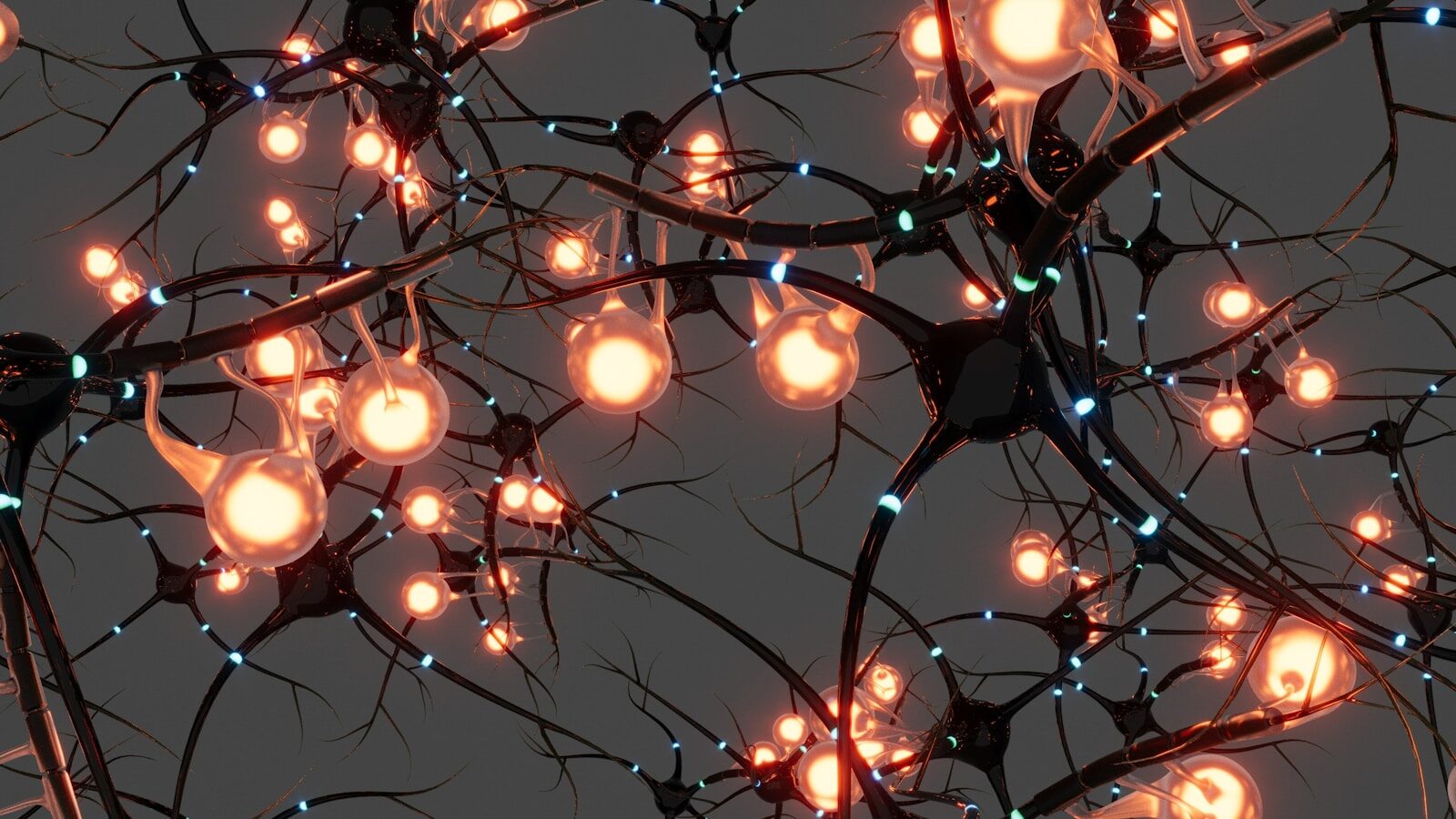
The physical signs of addiction are easy to spot. Weight changes, tremors, and a shift in hygiene are warning signs that loved ones often notice first. But addiction does not stop at the surface. It reaches deep into the brain. It changes how a person thinks, feels, and makes decisions.
So how does addiction affect the brain? And why does it so often bring anxiety, depression, or mood swings along with it? Understanding this connection is often the first step toward finding real answers. It can also be the first step toward healing.
Families often ask this question after watching someone they love change in ways that feel unfamiliar. A person who was once easygoing may become withdrawn or short-tempered. Someone who was always dependable may start missing work or breaking promises, straining addiction and relationships that once felt solid. These changes can feel confusing and painful, especially when they seem to come out of nowhere. In reality, they are often signs of a brain under significant strain.
How Addiction Changes the Brain
Every brain has a built-in reward system. This system releases a chemical called dopamine when we do something enjoyable. It also fires when we do something necessary for survival, like eating a good meal or spending time with people we love. That rush of dopamine teaches the brain to want more of whatever caused it.
Drugs and alcohol hijack this natural process. Research from the National Library of Medicine on the brain’s dopamine pathways shows that addictive substances can flood the brain with far more dopamine than natural rewards ever could (NIH/PMC). Over time, the brain adjusts to expect this artificial flood. Ordinary pleasures start to feel dull by comparison. This is a major part of the addiction and the brain reward system connection, and it helps explain why alcohol is so addictive for so many people. It also explains why quitting feels so much harder than simply deciding to stop.
Several factors shape how strongly a substance affects the brain:
- How often the substance is used
- How long someone has struggled with addiction
- Which substance or behavior is involved
- How much of the substance is used at one time
As use continues, the brain becomes less sensitive to natural rewards. It becomes more focused on the substance instead. This shift explains why cravings can feel so overwhelming, even when a person genuinely wants to stop.
The area of the brain that handles judgment and decision-making is also affected. This region normally helps a person weigh consequences and make thoughtful choices. Addiction can weaken this ability over time, which is part of why people continue using even after it starts to hurt their health, relationships, or work. This is not a matter of willpower. It is a change in how the brain itself is functioning.
The Brain-Mental Health Connection
Holistic mental health treatment recognizes this brain-mental health connection as central to recovery, addressing chemical imbalances, emotional shifts, and co-occurring conditions as part of a unified, whole-person healing plan. Once the brain’s reward system changes, mental health often follows close behind. Shifts in brain chemistry can bring on new anxiety or depression. They can also make existing conditions worse. Bipolar disorder and alcohol addiction, for example, are closely linked, and drinking often worsens symptoms in people who already live with bipolar disorder.
Family members often notice emotional shifts before anything else. Common warning signs include:
- Sudden irritability or mood swings
- Persistent guilt or shame
- Losing interest in hobbies or relationships that once mattered
- Rising anxiety or a sense of paranoia
- Pulling away from loved ones
- Constant, intrusive thoughts about using again
These signs are not personal failings. They are the result of a brain working overtime to manage a chemical imbalance it did not choose.
Behavioral Addictions Affect the Brain Too
Substances are not the only trigger for these brain changes. Other compulsive behaviors activate the same reward pathways. The behavior itself becomes the “substance.” The brain responds in much the same way either way. Common behavioral addictions include:
- Gambling
- Shopping
- Social media or internet use
- Gaming
- Food
- Sex or pornography
- Exercise
These behaviors do not carry the same stigma as drug or alcohol addiction, but the effects on the brain and on daily life can be just as serious. Good evidence-based treatment addresses behavioral addictions with the same care and structure used for substance use disorders.
This helps answer a question many families ask. How does social media addiction affect mental health in the same way that drugs or alcohol do? The honest answer is simple. Any behavior that floods the brain with dopamine can eventually become addictive. This is true whether or not a substance is involved at all.
Why Trauma Is Often Part of the Picture
Addiction rarely develops on its own. For many people, unresolved trauma plays a major role. Adverse childhood experiences shape how the brain responds to stress long before drugs or alcohol ever enter the picture. Trauma can leave a lasting mark on the brain. It can make a person more vulnerable to both mental illness and addiction down the road.
This is why effective treatment cannot stop at managing symptoms. It has to address what is underneath them. At Sana at Stowe, we treat trauma and addiction together, not as two separate problems. True healing means understanding the full picture behind someone’s pain, not just the behavior it produces.
How We Treat the Whole Person at Sana at Stowe
Healing the brain takes more than talk therapy alone. Our approach blends evidence-based treatment with holistic care. This helps clients heal in mind, body, and spirit, not just one piece at a time.
We use trauma-informed CBT to help clients recognize and reshape the thought patterns that fuel addiction. This work helps rebuild the very decision-making skills that addiction can wear down over time. Alongside this clinical work, our clients take part in daily holistic practices. These include yoga, acupuncture, breathwork, and guided group walks through the Vermont countryside. Farm-to-table meals support physical healing along the way, giving the body real nourishment while the brain and nervous system settle.
Our program moves each client through phases of care. These phases are built around Maslow’s hierarchy of needs. We start by meeting basic safety and stability needs. From there, we move toward deeper emotional work, one step at a time.
Recovery does not end at discharge, either. We stay connected with clients through scheduled follow-up calls. These calls happen at one, two, three, and four weeks after a client leaves. We check in again at three, six, nine, and twelve months. This ongoing support helps clients carry what they learned at Sana at Stowe into everyday life.
Find Healing at Sana at Stowe
Maybe you are watching a loved one change before your eyes. Maybe you are asking yourself how addiction affects mental health in your own life. Either way, know that healing is possible. The brain that changed through addiction can also change through treatment, connection, and time.
Our clinical team builds a plan around each client, drawing on their history, their brain, and what actually caused the addiction in the first place. No two treatment plans look exactly alike.
If you have questions about insurance, our Aetna addiction treatment coverage guide can help you understand your options. Sana at Stowe offers holistic care alongside clinical treatment in a private, residential setting in Vermont.
Reach out today at 866-575-9958 to speak with our admissions team. Or fill out our contact form to get started on the path to healing.