
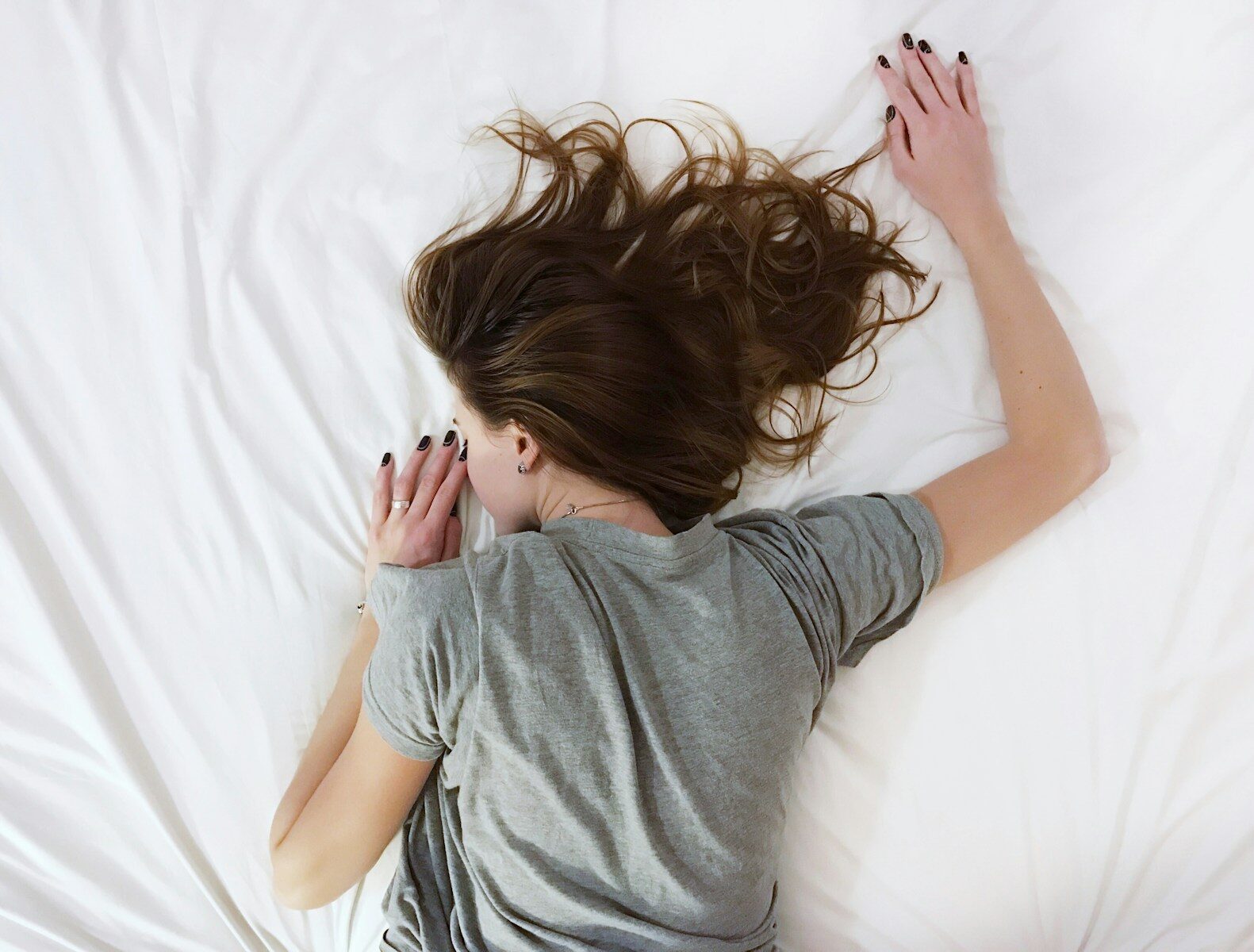
Maybe you lie awake at 3 a.m. more often than not. Or, you began drinking in to help you fall asleep, only to wake up hours later feeling worse than you expected. If either of these scenarios sound familiar, you are not alone. Alcohol and sleep share a surprising relationship that many people overlook. What aspect of sleep does alcohol negatively impact? The honest answer is nearly all of it. While alcohol shortens the time it takes to fall asleep, it also fragments sleep later in the night and blocks the deep, restorative sleep stages your brain and body depend on. For someone struggling with alcohol use, this pattern often becomes a nightly cycle. Drinking and sleeping both worsen over time, and it can feel impossible to imagine ever getting a full night’s rest again.
At Sana at Stowe, we see this connection constantly in the clients we treat. Poor sleep and alcohol use feed each other. Neither one gets better until the underlying dependence is addressed with real support. Understanding what alcohol actually does to your sleep is the first step toward getting both back.
What Aspect of Sleep Does Alcohol Negatively Impact?
Alcohol is a sedative, so it can make you drowsy fast. That sedation is where the trouble starts, not where it ends. Once you fall asleep, alcohol changes the structure of your sleep in several specific ways.
- REM sleep gets suppressed. Alcohol blocks rapid eye movement sleep during the first half of the night, the stage tied to memory and emotional processing.
- Sleep becomes fragmented. As your body metabolizes the alcohol, you wake more often in the second half of the night, even if you do not fully remember it.
- Deep sleep gets pushed out of balance. Alcohol can initially boost slow wave sleep, but that early boost is followed by a drop later on.
- Breathing during sleep suffers. Alcohol relaxes the muscles in your throat, which can worsen snoring and raise the risk of sleep apnea.
Research backs this up. A review published by the National Institutes of Health found that alcohol reduces the time it takes to fall asleep. The same review found that it suppresses REM sleep and increases wakefulness later in the night. That rebound pattern explains the groggy, unrefreshed feeling so many people report after drinking before bed. Alcohol and sleep may seem like a natural pair, but research shows us that this is simply not the case.
Why Sleep Gets Worse as the Night Goes On
At first, alcohol feels like a sleep aid, but the rebound pattern demonstrates how it turns into a sleep disruptor as the night progresses. When you consume alcohol and then sleep, your blood alcohol levels drop over time, and then your nervous system swings back toward alertness.
Does alcohol increase heart rate while sleeping? Yes, it does. In addition, your body temperature shifts, and REM sleep tries to catch up all at once. This combination pulls you out of deep, restorative sleep and into lighter, more easily disrupted stages. This is one aspect of sleep alcohol negatively impacts most, and it is why drinking to relax can turn into a broken sleep cycle.
Over time, this pattern trains the brain to link falling asleep with drinking alcohol. Natural sleep onset gets harder to achieve without it. People often increase how much they drink just to get the same sedative effect, which only deepens the sleep disruption alcohol was supposed to solve.
What to Expect When Sleep Doesn’t Come Back Right Away
Wondering “what aspect of sleep does alcohol negatively impact” is one sign that you are ready to reset your relationship with alcohol. However, it is useful to know that quitting alcohol does not immediately fix a broken sleep pattern. In fact, many people experience worse sleep during early recovery before things improve. This is sometimes referred to as rebound insomnia. It is one of the most common and most frustrating parts of early sobriety.
Trouble sleeping after quitting alcohol can take different forms, such as:
- Longer time to fall asleep
- Frequent waking through the night
- Vivid or unsettling dreams as REM sleep rebounds
- Restlessness or racing thoughts at bedtime
These symptoms are temporary for most people. Still, they can last weeks, or in some cases longer, as the brain recalibrates its own sleep-wake chemistry. If you want a deeper look at this stretch of recovery, we cover it in our guide to sleep problems in early recovery.
How Medical Detox Supports Your Sleep From Day One
Sleep disruption is one of the most common withdrawal symptoms we manage during the medical detox portion of alcohol rehab inpatient treatment. Our nursing team checks vital signs and withdrawal symptoms every four hours during this stage. We watch for agitation, sweating, nausea, and sleep disturbance so care can be adjusted quickly. The stages of alcohol detoxification vary from person to person, and detox typically takes five to seven days for most people. Some may need more time, depending on symptom severity.
What many clients do not expect is how long the sleep disruption can linger. Recovering your ability to sleep in addiction recovery requires facing post-acute withdrawal symptoms, including insomnia, which may continue well after the physical detox period ends. This is why sleep support has to extend beyond the first week of treatment and into residential care.
How We Help You Rebuild Real Rest
We built our program around a simple idea. Recovery is not just about stopping alcohol use. It is about rebuilding the systems that alcohol disrupted, and sleep is one of the most important. Our holistic residential treatment centers give our clients’ nervous systems the real support needed to recalibrate and heal.
In our centers, we offer daily structure designed with sleep and nervous system regulation in mind. This structure involves:
- Consistent morning and evening routines that reinforce a healthy circadian rhythm
- Daily group walks in the Vermont mountains, which support natural light exposure and physical activity
- Holistic services including yoga, acupuncture, breathwork, and Qi Gong to ease the physical tension that keeps people awake
- Farm-to-table meals designed to support physical healing and stable mood
We use a four-phase group structure that moves clients through attunement, process, integration, and becoming. This gives the body and mind the necessary time to settle into new rhythms. Peer support also plays a crucial role in recovery. Talking through a rough night with other people who understand it firsthand removes some of the isolation out of insomnia.
When Sleep Struggles Point to Something Deeper
Sometimes sleep problems are not only about alcohol. Alcohol and anxiety often mix together to create sleepless nights. Loss of sleep is also a common symptom when people combine alcohol and depression. Both are common alongside alcohol use disorder, and both can make sleep worse on their own. We treat these conditions together rather than in isolation. Addressing only the drinking while ignoring the anxiety or depression underneath it rarely leads to lasting rest.
If you are unsure how your drinking may be affecting your sleep or your mental health, an alcohol use screening can be a useful first step toward clarity.
You Don’t Have to Push Through This Alone
Professional detox and withdrawal management matters when drinking alcohol destroys your ability to sleep. Sleep-related withdrawal symptoms can be intense, and pushing through them alone often leads people back to drinking. Knowing what to expect from drug detox can make the decision to seek help feel less overwhelming.
At Sana at Stowe, our mission is to do more than just help our clients truly rest again and regain their ability to sleep. We work with individuals to regain their lives as a whole. As of our former clients puts it succinctly, “I have my life back thanks to everyone at Sana” (JP, previous client, January 2025).
You Deserve Real Rest
How does alcohol affect sleep? By creating a drowsy feeling that turns into a broken sleep cycle while you are unconscious. If alcohol has taken over your sleep, you are not alone and you do not have to figure this out by yourself. Sana at Stowe offers medically supervised detox and residential treatment built around trauma-informed, holistic care in Stowe, Vermont. We are in-network with Aetna. You can review Aetna’s alcohol and substance use screening resources to learn more before you reach out.
Call us today at 866-575-9958 to start the conversation about getting your sleep, and your life, back.