
When you’re navigating addiction recovery, exercise offers more than fitness. It becomes a powerful tool to heal your mind, body, and spirit. Exercise therapy for addiction uses the link between movement and mental health.
It helps you reduce cravings, manage emotions, and build a strong base for lasting sobriety. Whether you’re just beginning your recovery journey or strengthening your long-term wellness routine, understanding how fitness supports healing can transform your approach to treatment.
The Science Behind Exercise Therapy for Addiction
Your brain’s reward system changes profoundly during active addiction, with substances hijacking the natural production of feel-good chemicals like dopamine and endorphins. Exercise therapy for addiction works by helping restore this disrupted neurochemistry. When you exercise, your brain releases endorphins. These natural mood boosters can support addiction recovery. The same chemicals that create a “runner’s high” can also reduce cravings. They can also ease withdrawal discomfort.
Research in *Frontiers in Psychology* shows that regular exercise can raise dopamine receptor levels in the brain. This may help repair some damage caused by substance use. This neurochemical rebalancing is especially crucial if you’re managing a dual diagnosis, as the relationship between physical activity and mental health extends to reducing symptoms of depression, anxiety, and PTSD.
According to a study from the National Institute on Drug Abuse, individuals who incorporate consistent exercise into their recovery plan experience lower relapse rates and improved emotional regulation compared to those who don’t.
As part of evidence-based treatment, exercise complements therapeutic interventions by providing tangible, measurable improvements in both mental and physical wellbeing. This isn’t about replacing clinical care—it’s about enhancing your body’s natural capacity to heal alongside professional support. If you wonder if your substance use is becoming a problem, an addiction assessment can help guide your next steps.
Types of Movement Therapy That Support Recovery
One of the most valuable aspects of exercise therapy for addiction is that you can choose from diverse movement practices, each offering unique benefits for your recovery journey.
Yoga for Addiction
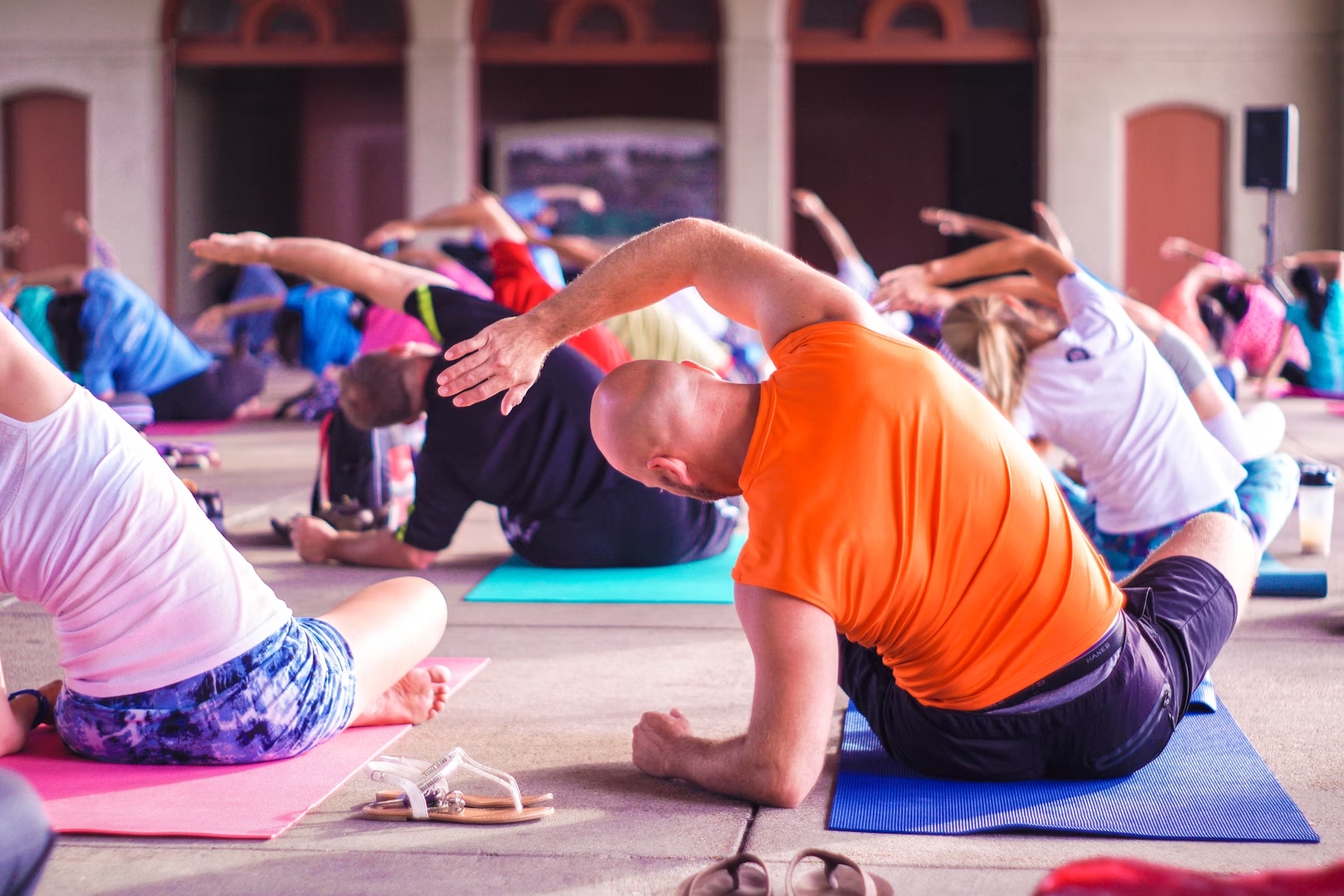
Yoga for addiction combines physical movement with breathwork and mindfulness, making it particularly effective for trauma processing. The practice helps you reconnect with your body in a gentle, trauma-informed care approach, teaching you to recognize and regulate emotional responses. Research from the International Journal of Yoga Therapy shows that yoga significantly reduces cortisol levels and anxiety symptoms in individuals recovering from substance use disorders. Many people in recovery find that yoga builds the mind-body awareness essential for identifying triggers and managing stress without substances.
Cardiovascular Exercise
Activities like running, cycling, swimming, or hiking through Vermont’s scenic mountain trails offer powerful movement therapy benefits. Cardiovascular exercise releases endorphins, improves sleep quality, and provides a healthy outlet for stress and anxiety. In picturesque settings like Stowe, Vermont, outdoor cardio becomes even more therapeutic—the combination of natural beauty and physical exertion creates a meditative experience that supports holistic recovery from addictions. Studies show that aerobic exercise specifically helps restore brain function and improves executive decision-making abilities that addiction often impairs.
Strength Training
Building physical strength translates directly into building confidence and discipline. Strength training provides structure, measurable progress, and a sense of accomplishment—all crucial elements when you’re rebuilding your life in recovery. The routine and commitment required for consistent strength work mirror the dedication needed for maintaining sobriety. You’ll find that as your body grows stronger, your resolve does too.
Group Fitness Classes
Participating in group activities creates community connection and accountability, helping combat the isolation that often accompanies addiction. Whether it’s a spin class, an outdoor boot camp in New England’s seasonal landscape, or group yoga, working out with others helps. It reminds you that you are not alone on your wellness journey.
Physical and Mental Health Benefits of Exercise in Recovery
The advantages of incorporating fitness in recovery extend across every dimension of your wellbeing. Exercise reduces both the physical discomfort of early recovery and the psychological challenges that persist long after detox.
Physical benefits include:
- Reduced cravings
- Improved sleep patterns
- Increased energy levels
- Better overall health markers
Your body begins repairing the damage caused by substance use, and you start feeling stronger and more capable in your daily life. According to the American Psychological Association, regular physical activity also strengthens your immune system and reduces inflammation—both critical for healing after prolonged substance use.
Mentally and emotionally, exercise becomes one of your most reliable coping skills for childhood trauma and current stressors. Regular physical activity decreases symptoms of depression and anxiety—conditions that frequently co-occur with addiction. Exercising can help you manage your dual diagnosis. While medication and talk therapy are still important parts of your care, adding movement can make a difference. The Journal of Substance Abuse Treatment reports that exercise and sobriety work well together. Moving your body gives you a quick, healthy way to handle cravings or tough emotions.
When you feel the urge to use, try putting on your sneakers and channeling that energy into your recovery. When combined with professional care, movement can help your whole self heal.
Exercise also fits well with motivational enhancement therapy and other types of support. It can also help with depression and support addiction treatment.
When you feel like using, try putting on your sneakers and using that energy for your recovery. This habit can help you feel more in control and confident. It shows you have a choice in how you respond. You’re not just avoiding harm; you’re choosing to take care of yourself.
Building a Sustainable Workout Routine Recovery Plan
Creating a workout routine recovery strategy that lasts requires intention and realistic expectations. Start small—if you’re new to exercise or returning after a period of substance use, your body needs time to rebuild strength and stamina. Begin with 15-20 minute sessions several times per week, gradually increasing duration and intensity as you feel ready.
Choose activities you genuinely enjoy, not what you think you “should” do. If you hate running, don’t force it. Try swimming, dancing, hiking New England’s mountain trails, or practicing yoga instead. Sustainability comes from pleasure and satisfaction, not punishment or obligation.
Set achievable goals and track your progress. This might mean noting how many days you exercised each week, how your mood improves after movement, or how your sleep quality changes. Celebrate small victories—they build momentum for long-term commitment.
Remember that rest days are essential, not optional. Your body needs recovery time, and pushing too hard can lead to injury or burnout. As part of a holistic treatment approach, balance is key. Exercise supports your sobriety; it doesn’t define your worth or recovery success.
Consider working with fitness professionals who understand addiction recovery and can modify exercises based on your current capabilities and any co-occurring conditions. Many Wellness &
Holistic Rehab programs, including those integrated into comprehensive residential treatment settings, provide guided fitness programming designed specifically for people in recovery. These programs know that movement therapy helps beyond the gym. It helps you rebuild your bond with your body. It also teaches you to care for yourself with compassion.
Movement as Medicine: Your Path Forward
Exercise therapy for addiction isn’t a cure-all, but it’s an extraordinarily powerful component of evidence-based treatment. When combined with professional clinical care, therapeutic interventions like motivational enhancement therapy, and comprehensive support for conditions such as depression and addiction treatment, movement becomes medicine for your whole self.
The journey from active addiction to sustained recovery requires addressing every dimension of your health—physical, mental, emotional, and spiritual. Exercise bridges these domains, offering a practical daily practice that reinforces your commitment to wellness & holistic rehab provides tangible evidence of your progress. Each workout shows you can show up for yourself, keep your promises, and choose health over harm.
At Sana at Stowe, we integrate movement and fitness into our holistic, trauma-informed care approach to addiction treatment. We offer assessments to help determine how we can help. Our residential program in the scenic Vermont mountains combines evidence-based therapies with wellness activities that honor the healing power of both clinical expertise and natural beauty. We offer medically-supervised detox and accept insurance through in-network providers, making luxury, comprehensive care accessible when you need it most.
Our location near Burlington, Vermont airport makes Sana easily accessible while providing the peaceful mountain setting that enhances recovery through every season’s unique charm. Call (802) 566-5906 to learn how our comprehensive program can support your recovery journey.