
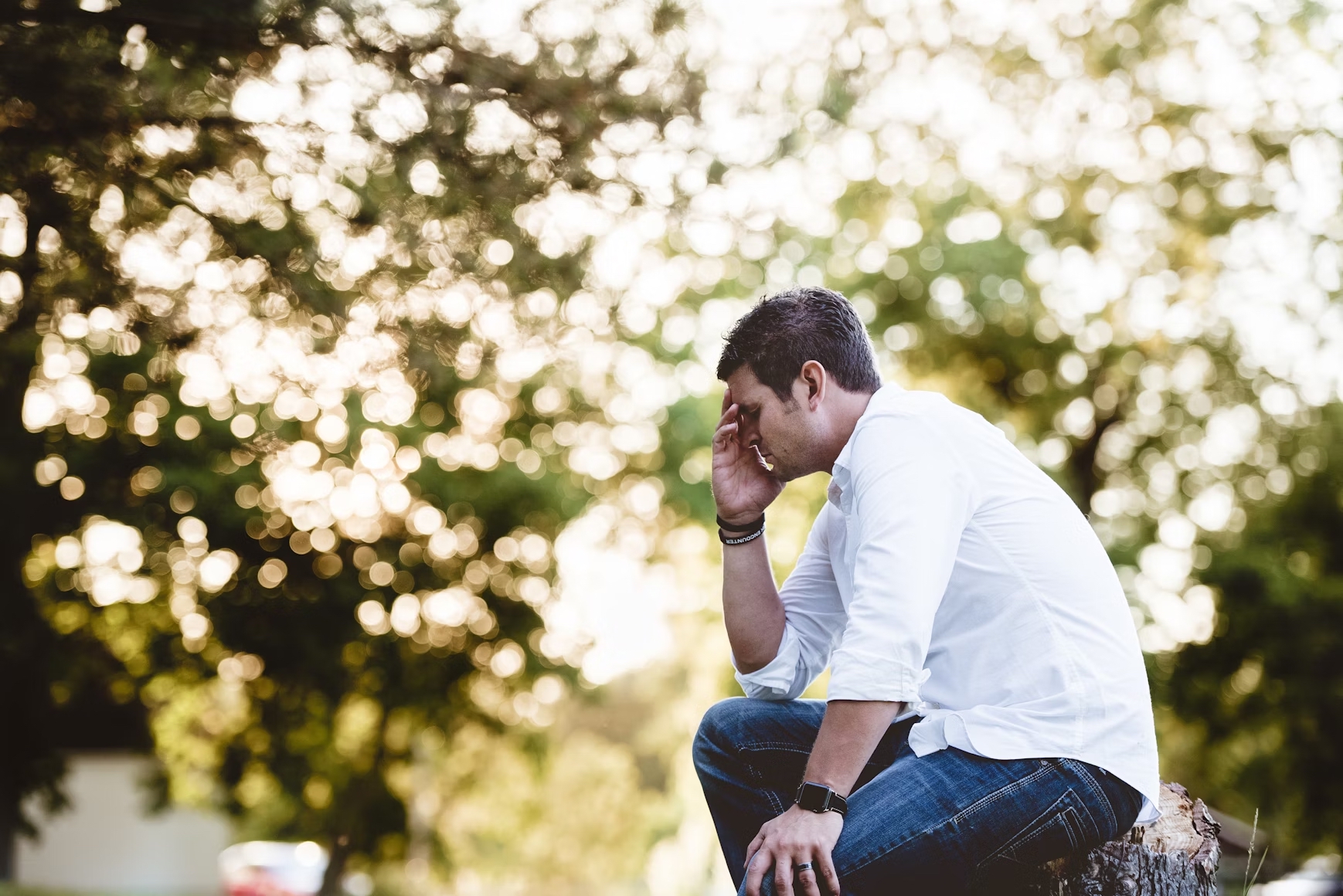
With an estimated 40 million adults in the United States alone suffering from anxiety disorders, chances are you or a loved one may have begun the search for “anxiety treatment centers near me,” or are at least researching ways to relieve the suffering caused by anxiety.
When anxiety feels relentless, its impact extending far beyond daily worries, desperation for relief can cause sufferers to turn to unhealthy coping mechanisms, including substance abuse. They can find themselves in a destructive cycle of anxiety and harmful behaviors, feeling like there is no way out.
But hope exists in the form of anxiety treatment centers that use evidence-based treatment to address the unique complexities of anxiety disorders and their potential connections to addiction.
What Is an Anxiety Disorder?
Feelings of anxiety are a part of being human. They keep us from making harmful decisions that for ourselves or loved ones; they help us perceive potential dangers ahead and avoid them.
But how do you know if your anxiety has tipped from typical into a disorder? There are several signs to watch out for:
- Feeling consistently nervous, restless, or tense
- Having a near-constant sense of impending doom
- Increased heart rate
- Rapid breathing (hyperventilation)
- Feeling weak or tired
- Difficulty concentrating
- Trouble sleeping
- Gastrointestinal problems
- Difficulty controlling worry
- Anticipating the worst regardless of whether that is warranted
While not an exhaustive list, these symptoms can indicate the presence of an anxiety disorder.
Causes of anxiety disorders are complex and multi-faceted, but studies show some common denominators begin to assert themselves: namely, the connection between anxiety, trauma and addiction is clear. According to the Mental Health Foundation in the UK, “Childhood trauma such as physical, emotional, or sexual abuse, or neglect…can predispose people to developing anxiety…due to changes in brain development affecting our fight or flight response, memory, and emotion regulation.”
This is one reason why it is so important for individuals to seek out anxiety treatment centers that offer trauma-informed care. This approach to anxiety and addiction treatment acknowledges the devastating effects of trauma on the client, helping them to feel safe in the therapeutic environment and to process the trauma at the root of their mental illness.
How Is Anxiety Connected to Addiction?
High-quality treatment centers for anxiety disorders understand that anxiety and addiction are closely interconnected, often forming a cycle that reinforces both conditions. Many individuals turn to substances or addictive behaviors—such as alcohol, drugs, gambling, or compulsive internet use—as a way to cope with chronic anxiety or stress. This is known as self-medication. While these behaviors may offer temporary relief, they often worsen anxiety over time, especially as the brain becomes dependent on the substance or behavior to feel normal.
Neurologically, both anxiety and addiction involve the brain’s reward and stress systems. Anxiety can heighten sensitivity to stress, making individuals more vulnerable to seeking immediate relief through addictive behaviors. Over time, the brain may struggle to regulate mood and stress without external substances, creating a feedback loop that sustains both anxiety and addiction.
What’s worse, withdrawal from addictive substances often triggers or worsens anxiety symptoms, creating a powerful barrier to recovery. Effective anxiety and addiction treatment will often include dual diagnosis treatment for both conditions simultaneously. Cognitive-behavioral therapy (CBT), dialectical behavior therapy, mindfulness practices, and sometimes medication can help individuals manage anxiety in healthier ways, reducing reliance on addictive behaviors.
The Importance of Aftercare in Anxiety Recovery
Healing from anxiety doesn’t stop when a residential program ends—it’s an ongoing journey that continues well beyond a treatment center’s walls. Aftercare is an essential component of long-term anxiety recovery, especially when substance use or trauma are part of the equation.
High-quality anxiety treatment centers like Sana at Stowe recognize that the transition back to daily life can be filled with emotional triggers, stressors, and uncertainties. That’s why an individualized aftercare plan is built into every client’s discharge strategy.
A comprehensive anxiety aftercare plan may include:
- Ongoing therapy (CBT, DBT, trauma-informed care)
- Virtual or in-person support groups
- Medication management and psychiatric follow-ups
- Mindfulness-based relapse prevention techniques
- Healthy lifestyle coaching (sleep hygiene, nutrition, movement)
- Connection to alumni programming and recovery communities
By prioritizing structured aftercare, clients are better equipped to manage their anxiety symptoms and reduce relapse risk. Aftercare empowers individuals to maintain the progress they’ve made in treatment while building a strong foundation for continued emotional resilience.
At Sana at Stowe, we view aftercare not as an afterthought, but as a critical bridge to lasting wellness and a life fully lived.
What Treatment Centers for Anxiety Can Offer
If you or a loved one are ready to take the next step towards healing by exploring anxiety treatment centers, you have many options to explore, from intensive outpatient to residential treatment programs. Which one you choose depends on your personal goals.
To best treat interwoven trauma, addiction, and anxiety, holistic mental health treatment incorporates the whole person–mind, body, and soul–into the healing process. With a combination of traditional and experiential therapies, from CBT to trauma-informed yoga, holistic programs give clients a variety of tools to deal with their anxiety and addiction.
At anxiety treatment centers, individuals can expect a safe, supportive environment designed to help manage and reduce anxiety symptoms. Treatment typically begins with a thorough assessment to create a personalized care plan. Services may include individual therapy, group therapy, cognitive-behavioral therapy (CBT), mindfulness training, and medication management. Skilled professionals, such as psychologists and psychiatrists, guide clients through evidence-based techniques to address triggers, develop coping strategies, and build emotional resilience.
The goal is long-term recovery and empowerment, equipping individuals with tools to navigate daily life with greater confidence and stability.
Find Lasting Recovery at Sana at Stowe
If this sounds like something you are ready to explore–and particularly if you are interested in anxiety rehabs in Vermont–consider a stay at Sana at Stowe. Our beautiful rural location offers a luxurious, holistic residential treatment program tailored to our clients’ individual needs.
Our targeted therapies, combined with holistic approaches, provide the deep understanding and effective tools needed to move beyond both anxiety and substance use for lasting peace and comprehensive healing.
These therapies are accessible to everyone. Sana at Stowe offers medically-supervised detox and accepts insurance through in-network providers.
Consider what some former clients have said: “I truly believe Sana is the only place that provides this type of therapy–not only on my road to recovery with addiction but also with mental health struggles and grief.”
So do not hesitate. Reach out to us today to begin your journey to healing from anxiety and addiction. We are only one phone call away at (802) 532-5277.