
In addiction treatment, traditional therapy has long been the foundation. Talk therapy, group counseling, medication support, and relapse prevention all play an important role. But recovery is evolving. More programs now recognize that healing is not just about stopping substance use. It is about rebuilding your whole self.
That is where adventure therapy comes in.
Adventure therapy for substance abuse adds a powerful experiential layer to treatment. It brings in movement, challenge, connection, and nature to help clients engage in recovery in a more active, embodied way. At Sana at Stowe, we use these experiences to support clinical work, not replace it. Evidence-based treatment remains the foundation. Experiential work helps bring those insights to life.
What Is Adventure Therapy for Substance Abuse?
Adventure therapy, also known as experiential outdoor therapy or challenge‑based therapy, is a treatment modality that uses physical, emotional and social challenges, often in natural settings, to help individuals develop coping skills, personal insights, and relational capacities that support recovery. In the context of addiction treatment, adventure therapy for substance abuse might include activities such as:
- Ropes‑course challenges or low‑ropes team tasks
- Rock climbing or zip lines
- Wilderness hikes or backpacking
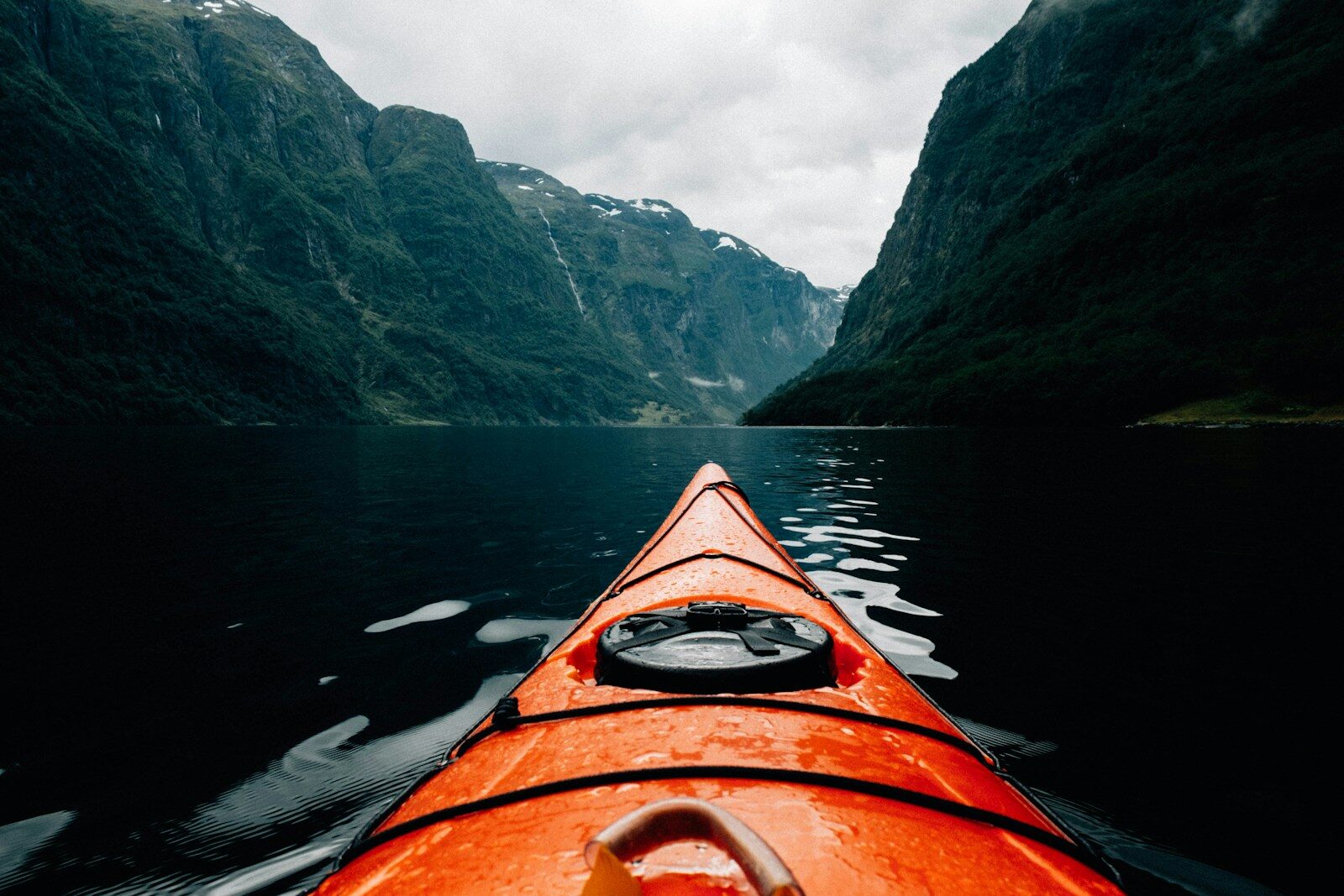
- White‑water rafting or kayaking
- Mountain biking or cross‑country skiing
- Field expeditions and group camping
- Tree‑climbing, high‑elements, or trust‑falls
These experiences engage more than just the mind. They involve your body, your emotions, and your relationships. In many ways, they mirror recovery itself. You face discomfort, navigate uncertainty, ask for help, and build trust.
Why Adventure Therapy Works: Mechanisms & Benefits
Mirrors Recovery Challenges
Addiction recovery is not simply removing a substance. It involves confronting discomfort, resisting impulses, building new coping skills, and often, doing so in conditions you cannot control. In a ropes course or wilderness hike, clients physically experience uncertainty, fear, trust, and then success. They must rely on peers and facilitators, make decisions under pressure, experience discomfort and triumph. It embodies recovery.
Stress Reduction & Nature’s Impact
Nature itself is healing. Being outdoors, breathing fresh mountain air, immersed in seasonal charm, inherently reduces stress, lowers cortisol, improves mood and attention and brings about a sense of calm and connection. For those in recovery, especially with co‑occurring anxiety or depression, this is a meaningful foundation for emotional regulation.
Group Dynamics & Trust
Recovery often involves rebuilding relationships, repairing trust, and learning communication skills. Team‑based adventure tasks require mutual reliance, honest feedback, clear communication, experiencing others’ support, and witnessing oneself support others. These relational elements strengthen coping skills for interpersonal triggers and dynamics that so often drive addiction.
Embodied Mind‑Body Healing
Many clients in treatment for substance use and trauma struggle with disconnection—from their bodies, from feelings, from others. Outdoor, experiential methods bring them back—movement, physical challenge, sensory input, and a shift from talk therapy alone to whole‑person engagement. This aligns with a holistic rehab services approach which sees body and mind as inseparable in healing.
Translating to Real‑World Skills
Perhaps most importantly, the insights gained outdoors translate into everyday life. A client who recognizes “I can tolerate fear, I can ask for help, I can trust others” on a rock wall is more likely to apply those skills when facing cravings, stress at work, or relational conflict. That’s the bridge from adventure therapy into residential inpatient treatment outcomes.
Who Benefits Most From Adventure Therapy Components?
Adventure therapy is not one-size-fits-all, but it can be especially impactful for certain individuals.
It may be a strong fit if you:
- Feel disconnected from your body or emotions
- Struggle with trust or relationship patterns
- Have a history of trauma or anxiety
- Tend to avoid discomfort or challenging situations
- Benefit from hands-on, experiential learning
For some clients whose primary diagnosis is severe mental illness or critical physical health issues, adventure therapy must be adapted or delayed. But in a holistic addiction treatment environment that integrates medical, therapeutic and experiential care, adventure therapy serves as one key pillar in a multi‑modal plan.
Typical Day in Treatment with an Outdoor Experiential Element
At a holistic residential treatment center like Sana at Stowe, adventure therapy is thoughtfully integrated into a full clinical program. It is not a standalone activity. It works alongside therapy, reflection, and structure.
A typical day in treatment might include:
- Morning mindfulness or light movement outdoors
- Individual or group therapy sessions
- Guided outdoor experiential activity such as a ropes course therapy or hike
- Time to reflect and process insights with a therapist
- Optional movement or nature-based activities in the afternoon
- Evening group work or quiet integration practices
This blending of residential inpatient treatment, challenge‑based activities, expressive therapies, and nature immersion is what makes the “retreat-style rehab” model so effective.
Turning Outdoor Experiences Into Real Change
The most important part of adventure therapy at our Vermont Rehab Facility is what happens after the activity.
Clients begin to notice patterns:
- How they respond to fear
- Whether they ask for help or shut down
- How they communicate under stress
- What their internal dialogue sounds like
These moments become opportunities for growth.
Over time, clients build:
- Greater self-awareness
- Stronger emotional regulation
- Better communication skills
- Increased confidence and trust
These are the same skills needed for long-term recovery.
Addressing Dual Diagnosis and Trauma Through Outdoor Therapy
Many who benefit from these programs have co‑occurring mental‑health conditions and trauma histories. Because mental health often precedes addiction, most effective programs treat both simultaneously. Outdoor, experiential methods are especially helpful for individuals with poor emotional regulation, attachment wounds, chronic anxiety, depression or unresolved trauma. Research shows that wilderness and challenge‑based therapies boost emotional regulation, self‑efficacy, and connection.
If you experienced childhood trauma, you may have a reduced ability to tolerate stress and fewer internal resources for connection. Outdoor challenge teaches you: I can face risk, ask for help, experience trust, adapt, and connect—even from a history of fragmentation. That’s why combining ropes‑course, nature immersion, and therapy in a holistic rehab center context works so powerfully.
Considerations and Realistic Expectations
It’s important to emphasise that adventure therapy for substance abuse is not a standalone cure. It complements but does not replace clinical treatment such as medically‑supervised detox, therapy, relapse prevention, medication‑assisted treatment. The best outcomes come when outdoor experiential is embedded in a full continuum: detox, residential inpatient treatment, aftercare, outpatient support.
Not all clients may be immediately suited for high‑intensity outdoor challenges (due to physical health, psychiatric instability, acute crisis). An ethical program tailors the experience, offers options, and monitors safety. For luxury or celebrity clients, travel to Vermont, private accommodations, and bespoke scheduling may apply, but the core therapeutic mechanisms remain the same.
A Holistic Approach at Sana at Stowe
Adventure therapy is powerful, but it is not a cure on its own. It works best as part of a structured treatment program.
It is important to look for programs that:
- Integrate experiential work with clinical therapy
- Offer medical support and detox if needed
- Address co-occurring mental health conditions
- Provide a clear plan for continued care after treatment
The goal is not just to have meaningful experiences in the moment. It is to build skills that carry into everyday life.
Sana at Stowe: Beginning Your Journey
In the journey of recovery, adventure therapy for substance abuse offers an embodied, relational, nature‑based complement to talk therapy and clinical treatment. It helps individuals face fear, build trust, strengthen emotional regulation, connect with peers, and translate those insights into their daily lives. In a setting like Stowe, Vermont, you get the best of both worlds: high‑quality clinical care and immersive outdoor challenge.
If you’re searching for a retreat‑style program where body, mind, and environment align to support holistic addiction treatment, consider how experiential outdoor recovery programs can elevate your path. With medically‑supervised detox, residential inpatient support, expressive therapies, ropes‑course challenge, and nature immersion, you can step into a new story, one of resilience, connection, healing and purpose.
Ready to explore how outdoor experiential therapy could help you reclaim your life? Visit our page on childhood trauma and recovery to begin understanding the roots of addiction and the full path to wellness. Call us today at 866-575-9958 to explore our Vermont facility.