
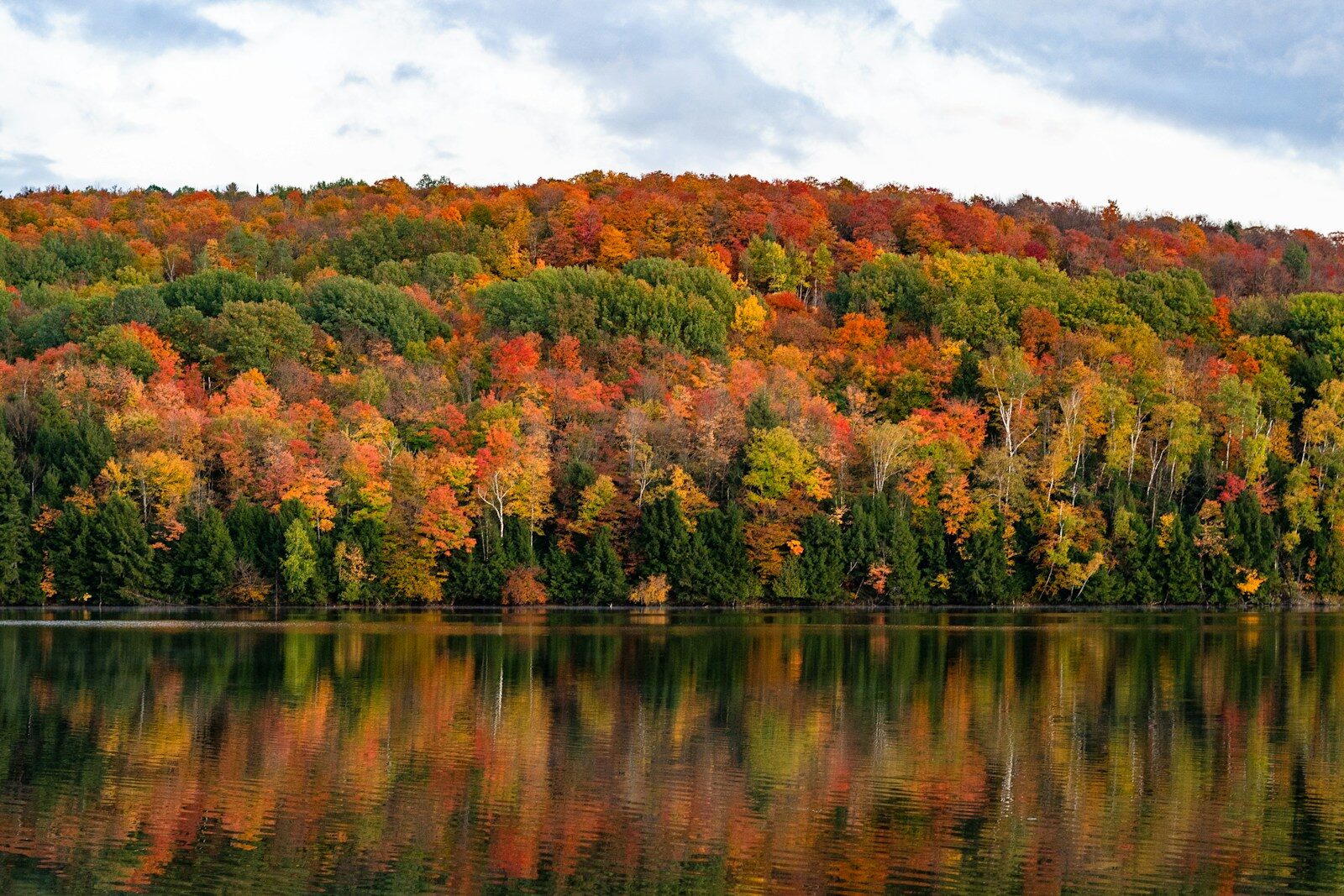
The first thing many people notice when they arrive in Vermont’s mountains is the quiet. No sirens. No constant notifications. Just clean air, open sky, and the slow return of something that felt lost. For people seeking recovery from addiction, that shift matters. Mountain rehab centers offer more than a beautiful backdrop. They offer a setting where healing can begin to feel possible.
Sana at Stowe sits in the heart of Vermont’s Green Mountains. Here, evidence-based clinical care meets a deeply intentional therapeutic environment. The mountains do not do the work for you. They create conditions, though, that make the work far more accessible.
Why Mountain Environments Support Recovery
Research consistently links time in nature to measurable mental health improvements. Studies from the National Institutes of Health show that exposure to natural environments reduces stress hormones, improves mood, and supports better sleep quality. For people in early recovery, these benefits directly support stabilization, engagement in therapy, and the gradual building of new patterns.
Clean air and natural light help regulate the body’s rhythms. Reduced noise lowers baseline stress. A slower pace allows the nervous system to shift out of survival mode. When you arrive at a mountain rehab center feeling exhausted and overwhelmed, the environment itself can help you settle.
This does not replace clinical care. It creates a foundation that makes clinical work more effective.
Benefits of a mountain recovery setting include:
- Reduced cortisol and stress response from consistent time outdoors
- Improved sleep in addiction recovery through natural light and lower ambient noise
- Emotional regulation support from daily exposure to natural environments
- Physical restoration through gentle movement and fresh air
- Space for reflection and perspective that is difficult to access in urban or clinical-only settings
What Makes Alpine Addiction Treatment Different
Alpine addiction treatment in Vermont is not extreme or intimidating. The Green Mountains are rolling and accessible. They feel welcoming rather than overwhelming. This matters when you are already carrying a heavy emotional load.
At Sana at Stowe, we do not use the outdoors as a substitute for therapy. We use it as a complement. Daily group walks happen every afternoon, giving clients a chance to move their bodies and process the day in a gentler way. These walks are part of a broader approach that treats the whole person, not just the diagnosis.
What sets Vermont mountain retreat addiction programs apart from other options comes down to integration. The mountains are not simply a scenic backdrop. They are woven into the daily rhythm of treatment. The setting keeps you connected to something larger than the immediate difficulty of early recovery.
Here is what that integration looks like in practice:
- Daily afternoon group walks through Vermont trails, built into the weekly schedule
- Outdoor mindfulness practices tied to clinical programming
- Seasonal programming that adapts to each part of the year
- A calm, predictable environment that supports trauma processing and emotional regulation
- Natural circadian cues that support better rest and physical recovery
Green Mountains Recovery: A Setting Built for Healing
Vermont has a character that suits this work. It is quiet, grounded, and unpretentious. Stowe, in particular, balances natural immersion with genuine comfort and safety. As a well-established resort town, it offers infrastructure and accessibility alongside mountain access. People do not feel isolated here. They feel held.
Those seeking PTSD treatment in Vermont often find the setting especially supportive. Processing trauma requires a felt sense of physical and emotional safety. Green Mountains recovery provides that. The pace slows down. The outside world feels farther away. The space to turn inward opens up naturally.
Clinically Grounded, Holistically Delivered
At Sana at Stowe, we hold one core belief: addiction is not a character flaw. It is a response to disconnection, to early ruptures in a person’s sense of safety, worth, and belonging. Our program is built within Maslow’s hierarchy of needs. We understand that deeper therapeutic work cannot begin until basic needs for safety, shelter, nourishment, and rest are already met.
This framework shapes every part of what we do. Evidence-based treatment modalities include Cognitive Behavioral Therapy (CBT), Dialectical Behavioral Therapy (DBT), Acceptance and Commitment Therapy (ACT), Internal Family Systems (IFS), and trauma-informed somatic approaches. These modalities address not just behaviors, but the underlying patterns driving them.
Most clients arrive carrying more than one challenge. Co-occurring conditions like depression, anxiety, and post-traumatic stress disorder (PTSD) are common. Rather than chasing a primary versus secondary diagnosis, we focus on the person in front of us. We ask what underlying ruptures might be fueling both the substance use and the mental health symptoms together, and we address them as connected.
A Day in the Life at Sana at Stowe
Understanding what daily life looks like can ease a lot of anxiety around starting treatment. Our program follows a structured daily rhythm built around four intentional phases: Safety, Process, Integration, and Becoming.
Each day starts with a community meeting. This first group helps you arrive in your body, feel grounded, and set an intention for the day. From there, the morning moves into a process group. Clients explore emotional material together through verbal processing, movement, or somatic practices like acupuncture.
After lunch, an integration group focuses on skills. We draw from frameworks including DBT, Seeking Safety, and the Four Agreements. Each day carries its own theme, covering areas like polyvagal theory, trauma and the body, Internal Family Systems, and relapse prevention.
The day closes with a Becoming group. These sessions are experiential. Yoga, breathwork, expressive art therapy, Qi Gong, and cold plunge practices appear here. They invite the body to incorporate what the mind has been working through.
Daily group walks happen every afternoon. Farm-to-table, chef-prepared meals anchor morning and evening. Our wellness and holistic services are co-facilitated by our clinical team, not offered in isolation. Every element of the day connects to a therapeutic intention.
Detox and Early Stabilization
For clients who need medically supervised detox, we provide on-site nursing 24/7 and daily provider visits. Our team uses established protocols to safely manage alcohol detoxification and withdrawal symptoms from opioids and other substances.
Many families want to know how to help their loved one through detox. Education, communication, and presence matter most during this stage. We walk families through what to expect from a drug detox so the first days carry less uncertainty. Questions about how long is rehab get answered individually, based on clinical need rather than a predetermined number of days.
Aftercare and Continued Support
Recovery does not end on discharge day. We follow up with every client at 1, 2, 3, and 4 weeks after they leave, and again at 3, 6, 9, and 12 months. These calls are a real part of your recovery continuum, not a formality.
Our family program offers a day-and-a-half intensive experience for loved ones, offered at no cost. Families join group sessions alongside their person in treatment, participate in breakout discussions, and connect with our clinical team. We also provide ongoing family therapy throughout the residential stay, either on-site or via telehealth.
Recovery is a community effort. We work to build that community from day one, and we maintain it long after discharge.
Choosing the Right Mountain Rehab Center
Not every mountain rehab center offers the same level of care. Scenery is one factor. Clinical quality and program depth matter just as much. When evaluating your options, look for the following:
- Accreditation and licensure for both substance use and co-occurring mental health treatment
- A trauma-informed, evidence-based clinical model focused on the person rather than the diagnosis
- Access to medically supervised detox with 24/7 nursing and daily provider oversight
- Holistic services that are fully integrated into clinical programming, not offered as optional extras
- A structured daily program with clear therapeutic intention behind each activity
- Family programming and ongoing family therapy options
- Aftercare planning and post-discharge follow-up support
- Insurance acceptance, including Aetna and other commercial plans
A comprehensive assessment, including a drug use screening test, helps us build a treatment plan that actually fits your situation. We accept all commercial insurance. If you have Aetna coverage, you can learn more about what your plan may cover here.
Take the First Step
Healing from addiction takes real courage. The mountains offer perspective, quiet, and the kind of space that makes it easier to hear yourself again. At Sana at Stowe, we combine that environment with serious, compassionate clinical care that does not let you off the hook and does not make you feel broken either.
Green Mountains recovery is not about escaping life. It is about returning to it with clarity, resilience, and a foundation built to last.
Call us today at 866-575-9958 to speak with our team about a comprehensive assessment and a personalized treatment plan.