
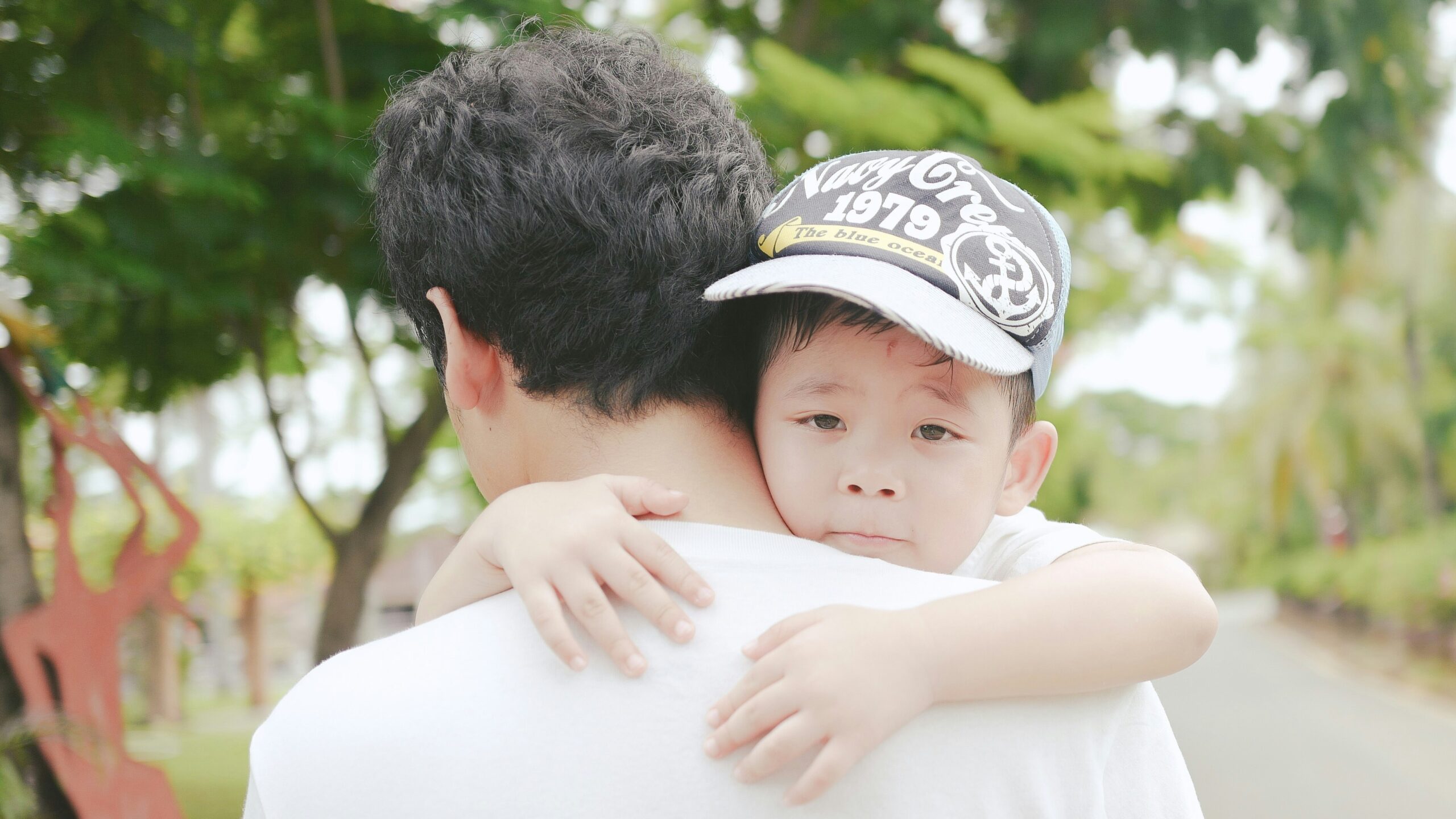
Trauma-informed care at addiction or mental health treatment centers may be a familiar concept to you. It’s an important component of our programming here at Sana at Stowe. But are you aware of the need to learn trauma-informed parenting?
Trauma can happen to any child at any time. No parent expects it or wants it for their children; but when it does happen, trauma-informed parenting can really make a difference in a child’s healing. By understanding childhood trauma in your kids, you can also assess how any past trauma has affected your own life.
The Impact of Childhood Trauma: Navigating Trauma and Parenting Together
When trauma occurs in your child’s life, its impact can be far-reaching. According to Palo Alto University, childhood trauma refers to any trauma someone faces during their developmental years as a child. The trauma a child experiences can happen directly to them or indirectly, such as witnessing a traumatic experience involving someone else.
A survey by the US Centers for Disease Control and Prevention (CDC) reports that approximately two out of three adults have experienced at least one traumatic event during their childhood. These events are often associated with adverse childhood experiences (ACEs), including:
- Parental separation or divorce
- Mental health problems in the home
- Having an incarcerated parent
- Emotional or physical neglect
- Substance use at home
- Sexual, emotional, or physical abuse
- Domestic violence
What happens when a child experiences ACEs trauma? Due to a child’s developing brain, they often experience trauma’s effects more severely. Areas of the brain responsible for emotional processing, logical thinking, and memory can be especially impacted. As a result, trauma’s long-term impact can put the brain into survival mode for longer than it should, shares the Cleveland Clinic, weakening these cognitive capabilities into adulthood.
Trauma-Informed Parenting Skills to Learn
When you have to navigate childhood trauma and parenting together in your family, your role as a parent can positively impact your child’s healing. Addressing trauma in your kids is not just reserved for professionals alone. Your caregiving combined with trauma-informed care from therapists can help your child recover from trauma and thrive long-term. This is why trauma-informed parenting is so important in the process.
So what is trauma-informed parenting, exactly? According to the Massachusetts Adoption Resource Exchange (MARE), trauma-informed parenting is a holistic caretaking approach that acknowledges trauma’s major impact on the child’s emotions and behavior. In the process, trauma-informed parenting involves:
- Addressing the child’s immediate needs
- Supporting the child’s long-term healing
- Helping the child know they’re not alone
- Providing relational connection
If you’re wanting to practice trauma-informed parenting with your own kids, here are some skills you can adopt along the way:
Providing Safety and Consistency
The first focus of trauma-informed child-rearing involves creating a home and family environment for healing to take place. In this season, consistency goes a long way, as kids dealing with trauma can be greatly impacted with changes in life. This all means it’s best to be as predictable as possible right now, shares the National Child Traumatic Stress Network (NCTSN). Ways to provide consistency, which in turn provide safety — even in the face of changes — include:
- Adopting regular daily routines
- Communicating any future changes days or weeks in advance
- Keep a family calendar of events easily visible to your children
- Reviewing the family calendar with your children
- Walk them to their classes if they’re starting at a new school
Modeling Emotional Regulation
Trauma can derail your kids’ abilities to manage their emotions. If this remains undressed, their poor emotional regulation can lead to additional challenges in adulthood (ie mental health disorders and addiction). One of the best trauma-informed parenting skills you can learn is teaching your children emotional regulation. This may involve demonstrating healthy self-soothing techniques, remaining calm in situations yourself, and sharing with your children that they don’t always need to expect the worst possible outcomes, explains NCTSN.
Understanding Your Child’s Feelings
Empathizing with your children’s struggles paves the way for deeper connection with them. While you may tend to correct any negative emotions as a first response, take time instead to be present with your child and learn what’s causing their feelings. Knowing where they’re coming from helps you to better relate to their trauma recovery.
Parent-Child Playing
Managing your child’s unresolved trauma and parenting at the same time is a serious situation, but that doesn’t mean there’s no time for play, imagination, or silliness. Trauma-informed parenting also means prioritizing playtime with your kids. Playing with your children gives you the opportunity to nurture them (which they desperately need), shares NCTSN. Parent-child play also fosters healthy relational attachments in your child, helps them develop resilience, and gives them space to process their emotions.
Pursuing Your Own Self-Care and Therapy
Trauma-informed parenting is incredibly powerful for your kids, but it can also be tiring emotionally and physically for you. That means it’s also critical for you to practice self-care right now. Get good sleep. Exercise. Eat right. Make time for a favorite activity or social outing every now and then. Getting the care you need equips you to give your children the care they need.
As mentioned earlier, all of this trauma care may have you reflecting on your own past. Perhaps you’re dealing with the long-term effects of childhood trauma in your life today, such as substance abuse and mental health issues. If so, our New England-based dual diagnosis treatment program at Sana at Stowe is here to help you find true healing. Offering trauma-informed addiction and mental health treatment all under one roof, our holistic therapy team can heal your struggles at the source, including any unresolved childhood trauma.
Now’s your chance to be an example to your children and pursue your own healing from trauma. Complete our free childhood trauma test as your next step or call our team now to start your treatment journey.