
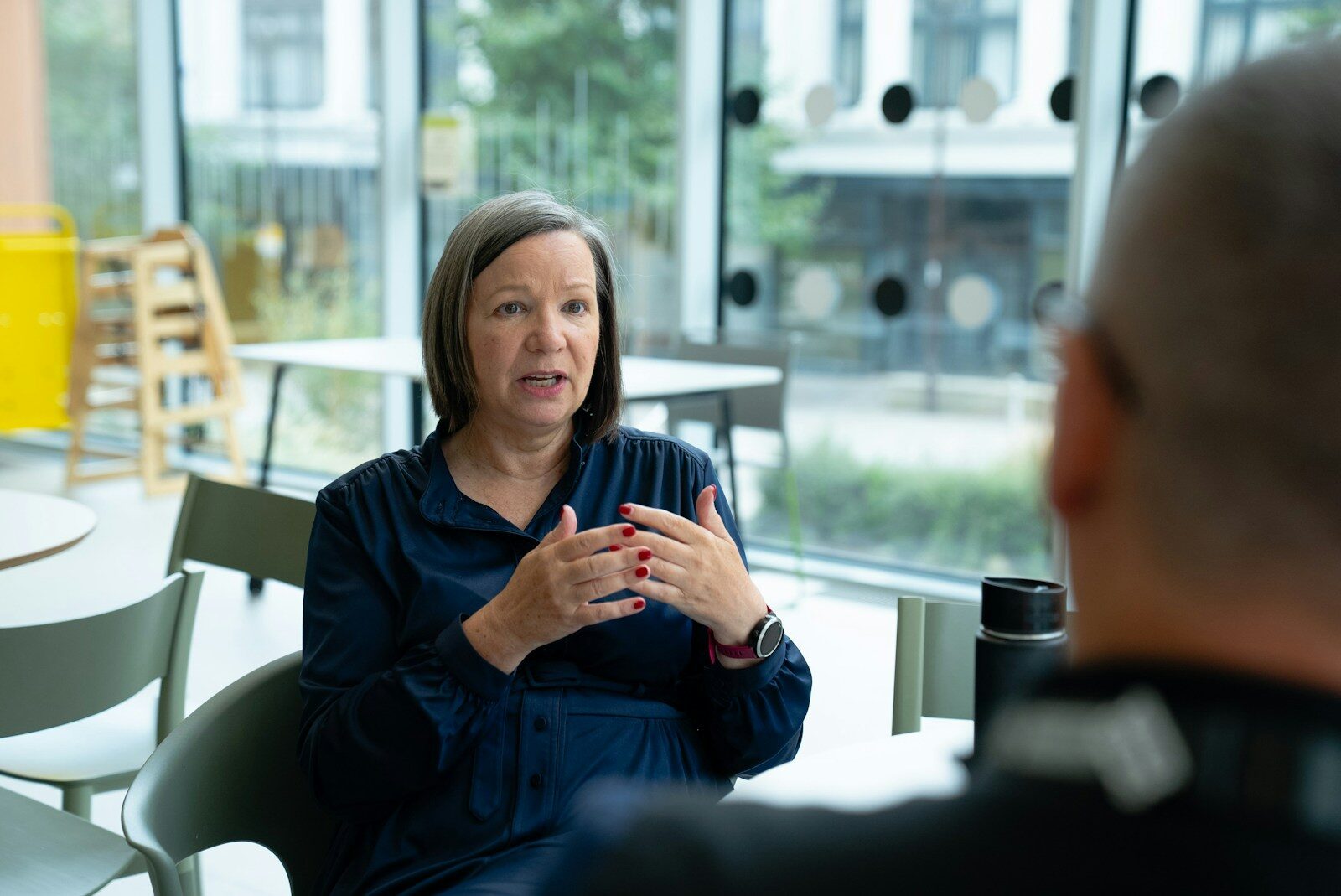
Recovery from substance use disorder is not a journey most people should take alone. Treatment programs and medical care are important. But many people also find comfort and encouragement in connecting with someone who has been through a similar experience.
That’s where peer recovery specialists come in.
Whether they are called peer recovery support specialists, certified peer support specialists, recovery mentors, or peer recovery coaches, these individuals use their own experiences to support others working toward sobriety. Peer support mentors don’t replace therapists, physicians, or sponsors. They are an extra support who provides helpful advice and encouragement from someone who has experienced recovery firsthand.
For many people, peer support in recovery can reduce isolation, improve accountability, and help create a stronger foundation for lasting wellness.
Peer Support in Recovery
Isolation only makes addiction worse. Many people who struggle with SUD withdraw from their loved ones. Fortunately, recovery peer support helps break that cycle.
According to the Substance Abuse and Mental Health Services Administration (SAMHSA), “peer support workers help people become and stay engaged in the recovery process and reduce the likelihood of relapse.”
Peer support can be especially valuable during the early stages of recovery. This is when individuals feel the most overwhelmed, uncertain, and emotionally vulnerable. Having someone who has successfully navigated treatment and learned how to live in sobriety on the other side can make recovery feel more achievable.
Research also supports the value of peer recovery support services. Studies published by the National Institutes of Health (NIH) have found that peer support services may improve treatment engagement, increase retention in recovery programs and reduce relapse rates.
In many ways, peer support helps answer one of the most common fears people face in recovery: “Can anyone really understand what I’m going through?”
A peer recovery specialist often can.
What Is a Peer Recovery Specialist?
Peer recovery support specialists go through specialized training to support others in recovery. Specialists draw from their personal experiences to provide guidance and share coping skills for addiction.
Thanks to their real-world experience with addiction and recovery, peer recovery specialists can bridge the gap between clinical treatment and maintaining sobriety in the real world. Certification requirements vary by state, and most certified peer support specialists offer a wide range of assistance, including:
- Recovery coaching
- Mentoring and goal-setting
- Building relationships
- Leading recovery groups
- Sharing resources
Many states also require supervised work experience, continuing education, and ongoing certification renewal.
It’s important to remember that peer recovery specialists don’t take the place of therapists or licensed counselors. Their role is to serve as a mentor, advocate, and guide who can help individuals with recovery.
What Peer Recovery Specialists Do
Many people in recovery benefit from being mentored by someone who truly understands what they are going through. Peer recovery support specialists bring both personal experience and professional training, helping individuals feel less alone as they work toward lasting sobriety.
This makes them an essential component of comprehensive addiction treatment.
A peer recovery specialist may help by:
- Providing emotional encouragement and accountability
- Helping someone create a recovery plan
- Connecting individuals with community resources
- Supporting attendance at appointments or meetings
- Assisting with transportation or housing resources
- Helping clients build healthy routines
- Encouraging social connection and community involvement
- Offering guidance during difficult moments or setbacks
Unlike clinical providers, peer recovery specialists draw heavily from personal experience. They may share parts of their own recovery journey when appropriate to help clients feel understood and less alone.
How Is a Peer Recovery Specialist Different From a Sponsor?
People sometimes confuse peer recovery specialists with sponsors in 12-step programs like Alcoholics Anonymous (AA) or Narcotics Anonymous (NA). While both provide support, there are important differences.
A sponsor is typically a volunteer within a specific recovery program who helps another member work through that program’s steps and principles.
A peer recovery specialist, on the other hand:
- Receives formal training and certification
- Often works within healthcare or treatment settings
- Supports multiple recovery pathways
- Focuses on practical recovery goals and community support
- Maintains professional boundaries and ethical standards
In other words, a sponsor usually supports participation in a specific program, while a certified peer support specialist may help individuals navigate recovery more broadly. Some people benefit from having both.
Recovery Mentors Help Reduce Isolation
One of the greatest strengths of an addiction recovery mentor is their ability to help people reconnect with others in healthy ways.
Substance use disorders can damage relationships and create feelings of shame, loneliness and hopelessness. Recovery mentors often help clients rebuild confidence in social situations, strengthen communication skills and identify supportive environments.
This matters because social connection plays a major role in long-term recovery.
Recovery is not simply about stopping substance use. It is also about building a life that feels meaningful, connected and sustainable.
Studies show that peer support can help people move toward that goal.
What Does the Relationship Look Like?
The relationship between a peer recovery specialist and a client is collaborative. Instead of acting as an authority figure, the peer specialist works with the individual to identify goals and overcome any barriers to sobriety, such as negative thought patterns or difficulty in relationships.
Some peer specialists meet with clients weekly, while others provide more frequent communication through phone calls, texts or support groups. Meetings may happen in treatment centers, outpatient clinics or community settings.
The relationship often focuses on practical, everyday challenges such as:
- Managing stress
- Handling triggers
- Returning to work or school
- Rebuilding relationships
- Creating healthy routines
- Finding sober activities and support networks
Peer support specialists also help normalize setbacks and challenges. Recovery is rarely linear and having someone who understands that reality can reduce shame and encourage resilience after difficult moments.
How to Find a Peer Recovery Specialist
If you’re wanting an addiction recovery mentor, it’s important for you as the mentee to be intentional and reach out. Don’t wait for them to find you. Here are a few places where you can look for your next peer mentor:
- Peers in support groups
- Therapists and certified recovery mentors
- Someone you look up to personally or a friend you trust
- Treatment program alumni
- Recovery thought leaders (mentors from afar)
Many treatment centers now integrate peer support in recovery as part of comprehensive addiction care.
When searching for a recovery mentor or peer specialist, it is important to find someone who aligns with your communication style, goals and recovery needs. Recovery is deeply personal, and a strong connection can make a meaningful difference.
Peer Support and Recovery at Sana
While peer recovery specialists provide valuable support, they are most effective when combined with comprehensive addiction treatment and an ongoing recovery plan.
For many people, that may include:
- Individual therapy
- Group counseling
- Medication-assisted treatment (MAT)
- Family therapy
- Holistic wellness support
- Mental health treatment
- Relapse prevention planning
At Sana at Stowe, recovery support is designed to address the full picture of healing—physically, emotionally and socially.
Reach Out for Help
Recovery can feel isolating, especially in the beginning. But no one has to navigate it alone.
Peer recovery specialists offer a unique combination of professional training and lived experience.
They provide encouragement, accountability and practical support from someone who understands both the challenges and possibilities of recovery firsthand. When you pair this support with other coping strategies, you increase your chances at maintaining sobriety.
Whether you are just beginning treatment or working to maintain long-term sobriety, peer recovery support can help strengthen your foundation for healing and connection.
Are you ready to find the support you need for lasting recovery? For additional information or to start your recovery journey, contact us today.