
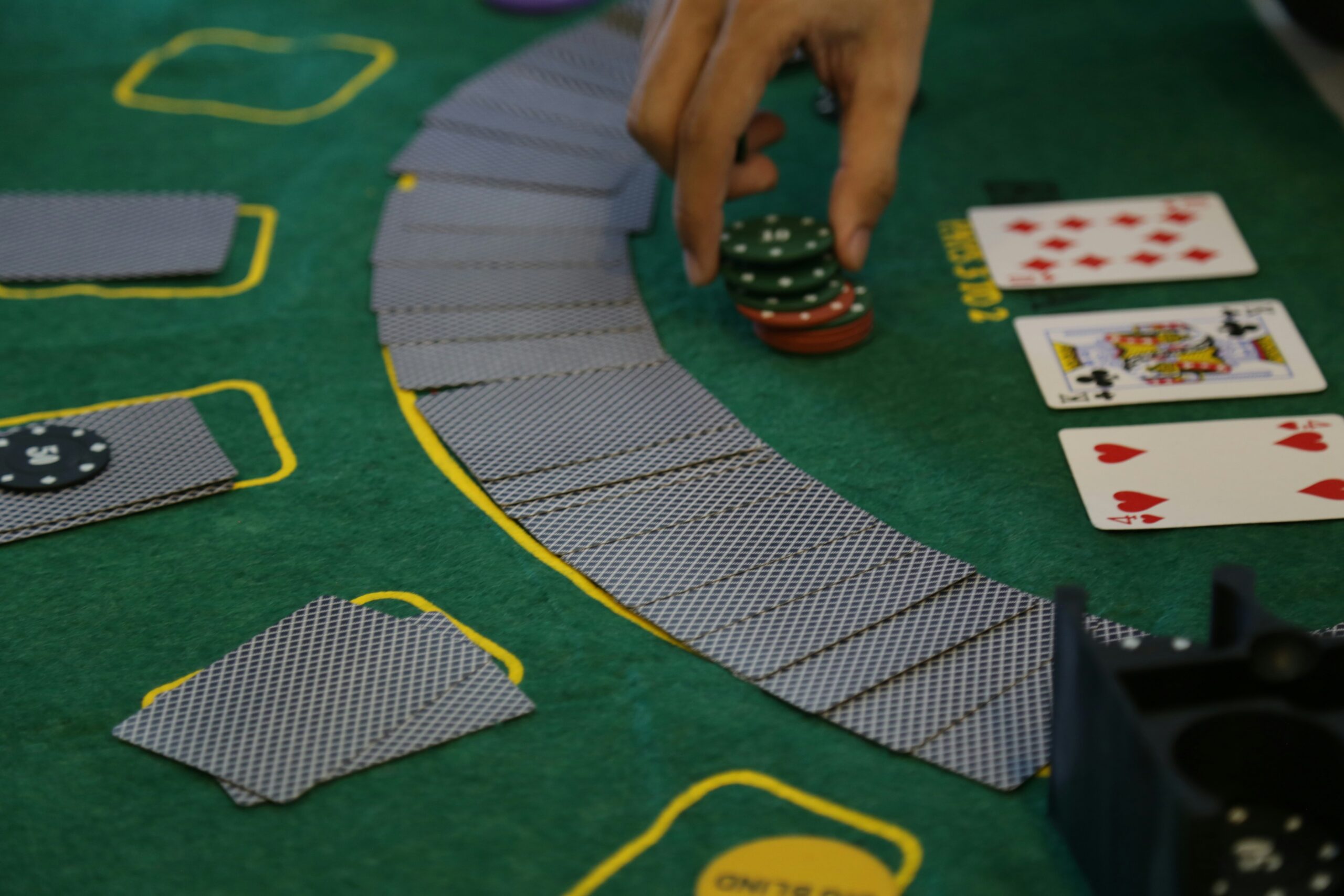
The intersection of gambling addiction and substance abuse represents one of the most complex and often misunderstood forms of dual diagnosis. While many people associate addiction primarily with drugs or alcohol, behavioral addictions like gambling share strikingly similar neurobiological pathways—and often co-occur, making recovery more challenging without integrated, whole-person care.
At Sana at Stowe, we recognize that addiction is not one-dimensional. It frequently stems from a deeper attempt to self-regulate difficult emotions, trauma, or untreated mental health conditions. When behavioral addiction and substance abuse are both present, treatment must address not just the symptoms, but the root causes—offering a comprehensive, trauma-informed and evidence-based approach that empowers lasting change.
Understanding the Link Between Gambling and Substance Use
Gambling and substance use both activate the brain’s reward system, specifically the release of dopamine in the mesolimbic pathway. This is the same neurological circuitry that reinforces behavior through feelings of pleasure or relief. Over time, the brain becomes conditioned to seek these high-reward experiences, even when they result in financial harm, emotional pain, or physical health consequences.
For many individuals, substance use and gambling are interwoven. Alcohol or stimulants may be used to prolong gambling sessions, boost confidence, or escape the shame of financial losses. Conversely, gambling may serve as a distraction from withdrawal symptoms or the aftermath of substance use. This cycle creates a dangerous feedback loop that is difficult to break without skilled therapeutic intervention.
While the triggers may differ, the emotional drivers are often shared: stress, unresolved trauma, low self-worth, or the desperate need for escape. Our clients often arrive struggling with both gambling and alcohol addiction, finding themselves trapped in a pattern that affects every area of life—from finances to relationships to mental health stability.
The Challenge of Treating Behavioral and Substance Addictions Together
The coexistence of behavioral addiction and substance abuse requires a nuanced approach. Treating one while neglecting the other can lead to relapse or substitution—where, for example, a person stops using drugs but begins gambling compulsively as a new form of self-medication.
That’s why at Sana, we emphasize gambling addiction dual diagnosis care. Our clinical model integrates traditional substance use disorder treatment with specific strategies for managing process addictions like gambling. This includes structured therapy, behavioral interventions, and peer support, all within the supportive environment of a luxury mental health and addiction treatment center.
When clients present with a process of addiction substance abuse, we conduct a thorough assessment that looks at the full spectrum of addictive behaviors, including impulse control, co-occurring mental health disorders, trauma history, and neurological functioning. This allows us to create personalized treatment plans that address the entire person—not just the most visible symptom.
Trauma, ACEs, and the Root Causes of Compulsion
Behind many co-occurring addictions lies a trauma history. Adverse childhood experiences (ACEs), unresolved grief, or chronic exposure to stress can lead to nervous system dysregulation and emotional instability, increasing the risk of compulsive behaviors. At Sana, we conduct an ACEs assessment as part of our intake process to better understand the origins of each client’s challenges.
These patterns are further reinforced when addiction affects interpersonal relationships. As outlined in our resource on addiction and relationships, compulsive behaviors often isolate individuals from their support systems, worsening feelings of shame and despair.
We incorporate both trauma-informed care and trauma-specific therapies such as EMDR, somatic therapy, and inner child work to help clients reconnect with their bodies and emotional selves. By addressing co-occurring trauma, we create the safety needed to release long-held survival strategies and replace them with healthy, empowered choices that help one learn how to heal from trauma.
Evidence-Based Therapies That Support Change
Sana’s model for treating gambling addiction and substance abuse draws from several clinically validated methods. These include:
- Cognitive Behavioral Therapy (CBT): Restructures distorted beliefs around gambling and substances and teaches clients to manage triggers and cravings.
- Motivational Interviewing: Helps clients explore their ambivalence toward change in a non-judgmental, empowering way.
- Contingency Management: Reinforces healthy behaviors by providing tangible rewards for positive actions and abstinence.
- Mindfulness and Relapse Prevention: Increases self-awareness and builds resilience to stress without resorting to old patterns.
Our evidence-based treatment protocols ensure each client receives care that is grounded in scientific research and tailored to their unique history and needs.
Building New Coping Strategies and Self-Regulation Skills
In recovery, learning how to self-soothe without addictive behaviors is key. As explored in our linked blog on self-soothing techniques, clients are guided in developing emotional regulation skills that promote calm, clarity, and self-trust.
This may include:
- Breathing techniques
- Somatic grounding practices
- Creative expression and movement
- Journaling and self-inquiry
- Boundary setting and communication
When needed, we also offer a drug use screening test to track progress and tailor interventions. For clients with opioid or alcohol use history, we provide detox management and, when appropriate, referrals for opioid abuse treatment in a medically supervised setting.
A Holistic Approach to Behavioral and Substance Recovery
Sana’s holistic drug rehab experience invites clients to reconnect with their bodies, the land, and their sense of purpose. Located in the pristine mountains of Stowe, Vermont, just a short drive from Burlington, Vermont airport, our center offers:
- Nature-based therapy and eco-healing
- Nutritional support to stabilize blood sugar and mood
- Movement therapy and physical fitness tailored to the individual
- Art, music, and equine therapy for emotional expression
- Seasonal recreational activities like snowshoeing, kayaking, or forest bathing
This serene, restorative environment supports deep healing and complements the structured therapy sessions offered in our clinical programs.
Why Choose Sana at Stowe?
Whether addiction shows up in a bottle or at the betting table, the pain is real—and so is the possibility of healing. At Sana, we understand that gambling addiction and substance abuse are not failures of willpower, but adaptive attempts to survive overwhelming experiences.
We offer a comprehensive addiction treatment guide, highly personalized care, and a private, luxury setting where individuals can restore balance and reclaim their lives.
Sana at Stowe provides medically-supervised detox and accepts insurance through in-network providers. Whether you’re seeking help for yourself or a loved one, our admissions team is here to support your first step toward recovery.
Call us today at (802) 566-5906 to learn more or begin your journey.