
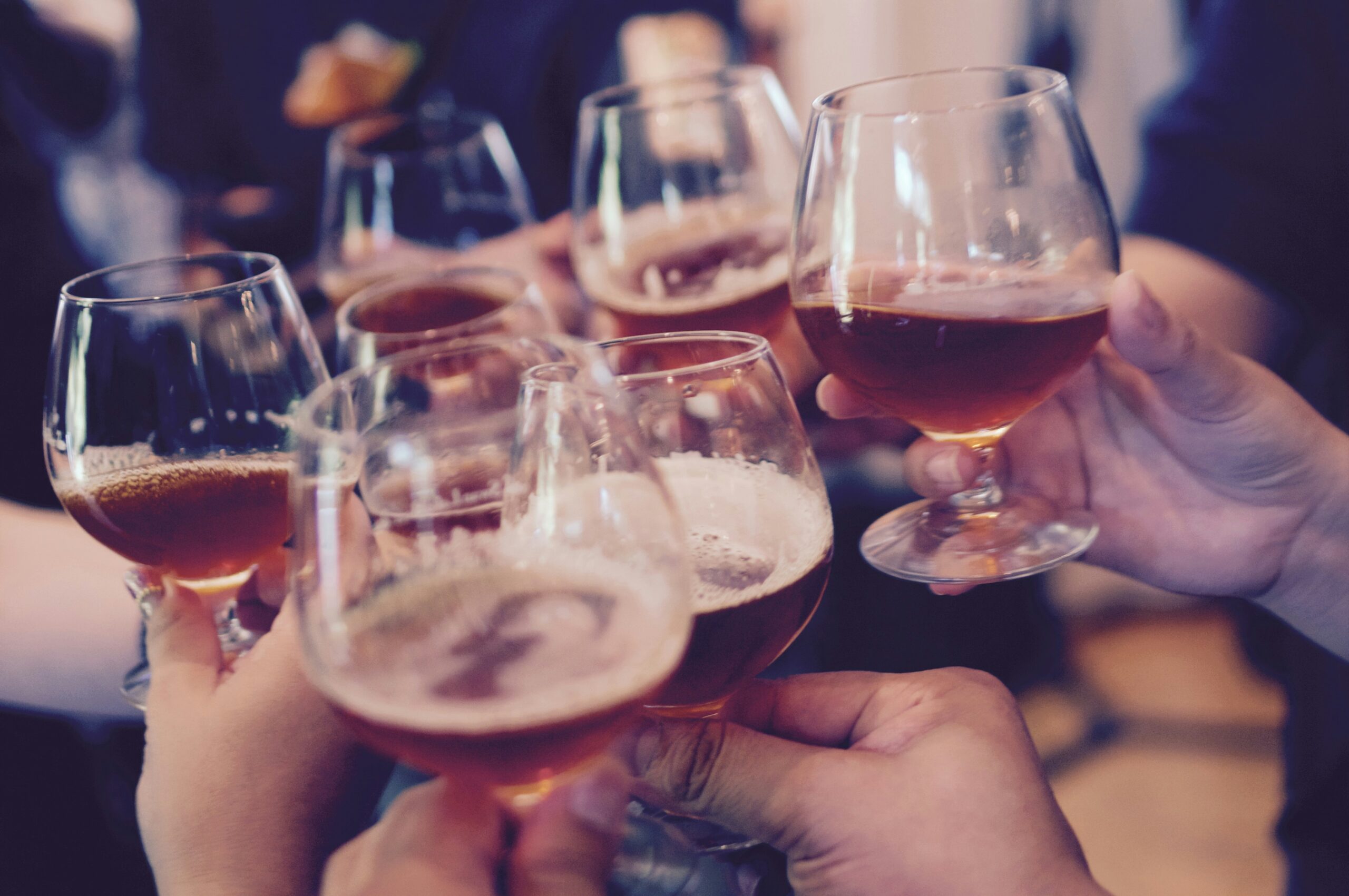
At a glance, binge drinking and alcoholism may seem like vastly different issues. One looks like a weekend party pattern, the other a daily dependence. But the truth is far more nuanced—and the line between the two is thinner than many realize. Understanding the difference between binge drinking vs. alcoholism is critical not only for awareness but for prevention and timely intervention.
At Sana at Stowe, we meet individuals who never thought they “had a problem” because they weren’t drinking daily. But the physical and emotional consequences of episodic drinking often mirror those of a diagnosable alcohol use disorder. The good news? When addressed early, binge drinking patterns can be interrupted before they evolve into long-term addiction.
What’s the Difference Between Binge Drinking and Alcoholism?
Binge drinking is typically defined by quantity and frequency. For men, consuming 5 or more drinks in about 2 hours; for women, 4 or more. It’s often tied to social settings—weekends, vacations, or high-stress events. Binge drinkers may go days or weeks without alcohol but drink excessively when they do. While this doesn’t always indicate an alcohol use disorder, it can still cause significant harm to one’s body, mental health, and relationships.
Alcoholism, or alcohol use disorder (AUD), involves a more consistent pattern of dependence. Individuals with alcoholism may experience cravings, withdrawal symptoms, and a loss of control over how much or how often they drink. Unlike binge drinking, which is episodic, alcoholism is characterized by routine and compulsion.
Understanding the difference between binge drinking and alcoholism helps individuals identify where they fall on the spectrum of use—and what steps they may need to take to regain control.
When Does Binge Drinking Become Alcoholism?
It’s a common question: when does binge drinking become alcoholism? The shift often happens subtly, over months or years. What begins as weekend-heavy drinking can evolve into weekday stress relief, then into daily reliance.
Here are signs that binge drinking may be progressing into an alcohol use disorder:
- Needing more alcohol to feel the same effects
- Drinking alone or outside of social settings
- Difficulty stopping after one or two drinks
- Memory blackouts or poor decision-making
- Feeling anxious, irritable, or depressed when not drinking
- Hiding or lying about drinking habits
- Relationship strain or repeated arguments about drinking
At Sana at Stowe, we use evidence-based assessments like the Alcohol Use Disorder Screening Test and ACEs assessment to identify both the behavioral and emotional patterns underlying a person’s relationship with alcohol. These tools help determine whether a client is navigating binge drinking addiction, early-stage AUD, or chronic dependency—and what treatment model best suits their needs.
The Mental Health Connection: Is It Really About the Alcohol?
For many clients, the issue isn’t just alcohol—it’s what they’re trying to escape. Whether it’s co-occurring trauma, anxiety, unresolved grief, or burnout, drinking is often a coping mechanism. Our clinicians help clients explore the root causes of their alcohol and depression, especially when emotional triggers like perfectionism, loneliness, or depression are at play.
Understanding trauma and addiction is central to effective recovery. Many binge drinkers use alcohol to silence inner discomfort, escape social pressure, or self-medicate undiagnosed mental health conditions. Over time, these coping strategies become patterns—deepening both emotional and physical dependency.
That’s why our dual-diagnosis approach examines the primary occurrence of mental health vs addiction, tailoring treatment based on which condition is driving the other. This ensures that we’re not just addressing the symptom, but the source.
Physical and Emotional Risks of Binge Drinking
Even if binge drinking doesn’t lead to chronic alcoholism, it carries serious risks:
- Liver inflammation and damage
- High blood pressure and heart disease
- Impaired judgment leading to accidents or injuries
- Increased risk of depression, anxiety, and suicidal ideation
- Memory loss and cognitive decline
- Poor performance at work or school
- Strained addiction and relationships dynamics
In some cases, repeated episodes of binge drinking can result in alcohol poisoning or withdrawal complications, even in those without daily drinking habits. At Sana, our team offers detoxification from alcohol and ongoing detox management in a medically-supervised, serene environment that ensures safety and comfort during early recovery.
Early Intervention Saves Lives
The misconception that “binge drinking isn’t serious” delays many people from getting the help they need. But studies show that individuals who engage in frequent binge drinking are at significantly higher risk of developing AUD. Catching the pattern early can prevent a years-long struggle.
Our addiction treatment guide for binge drinking and alcohol use disorder includes:
- Thorough clinical assessment to determine level of care
- Optional detox services
- Self soothing techniques and stress management training
- Trauma-informed individual and group therapy
- Education on addiction triggers and healthy coping mechanisms
- Holistic wellness experiences including yoga, mindfulness, and nutrition
- Aftercare and relapse prevention planning
We personalize every care plan to meet our clients where they are. Whether someone is newly concerned about their drinking habits or has been living in denial about their dependency, we help them reclaim control and clarity.
Discreet, Luxury Care in the Heart of Vermont
Tucked away in the scenic hills of Stowe, Vermont, just a short drive from Burlington, Vermont airport, Sana at Stowe offers a secluded, peaceful setting to reset your relationship with alcohol. Our luxury rehab environment blends evidence-based clinical care with nature, comfort, and privacy.
Whether you’re a working professional, caregiver, or college student, we understand the cultural and situational factors that can fuel binge drinking treatment resistance. Our team helps clients build sustainable sobriety in a way that honors their identity, values, and life goals.
Take the First Step—Before It Becomes a Crisis
Whether you’re navigating binge drinking vs. alcoholism, or aren’t sure where your relationship with alcohol falls, we’re here to help. You don’t have to wait until things spiral. Early intervention is possible. Healing is possible.
Sana at Stowe offers medically-supervised detox, trauma-informed care, and luxury rehab programs designed to treat the whole person—mind, body, and spirit. We also accept insurance through in-network providers, making world-class care more accessible than ever.
Call us today at (802) 566-5906 or visit our website to begin your personalized journey to recovery.